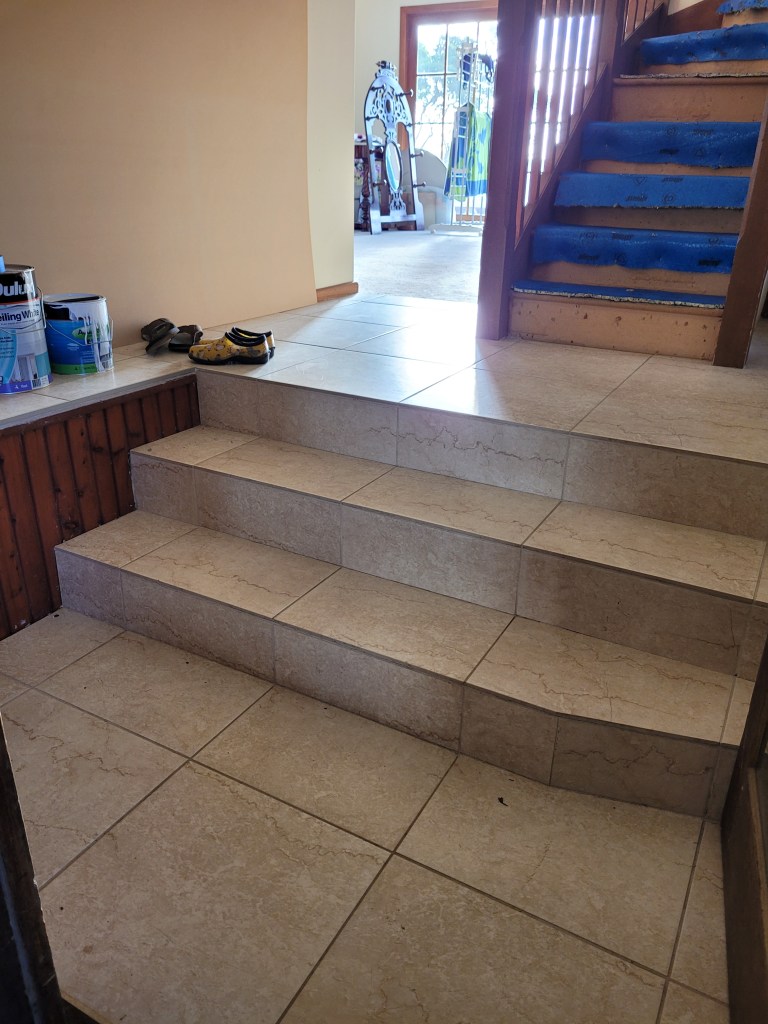
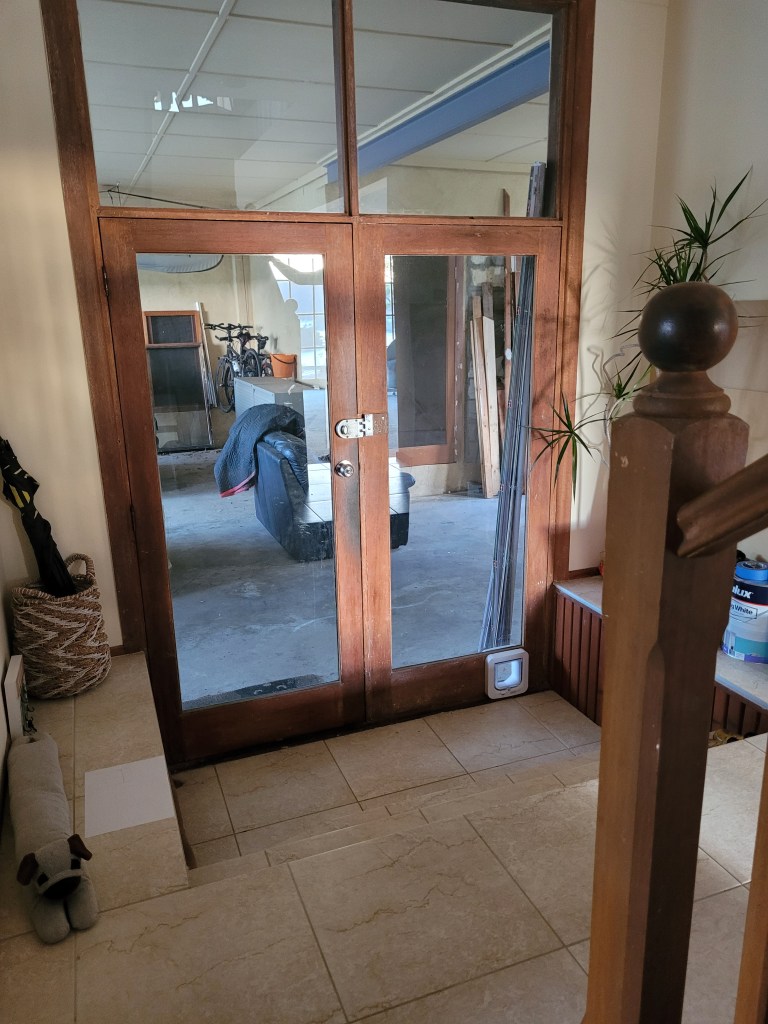
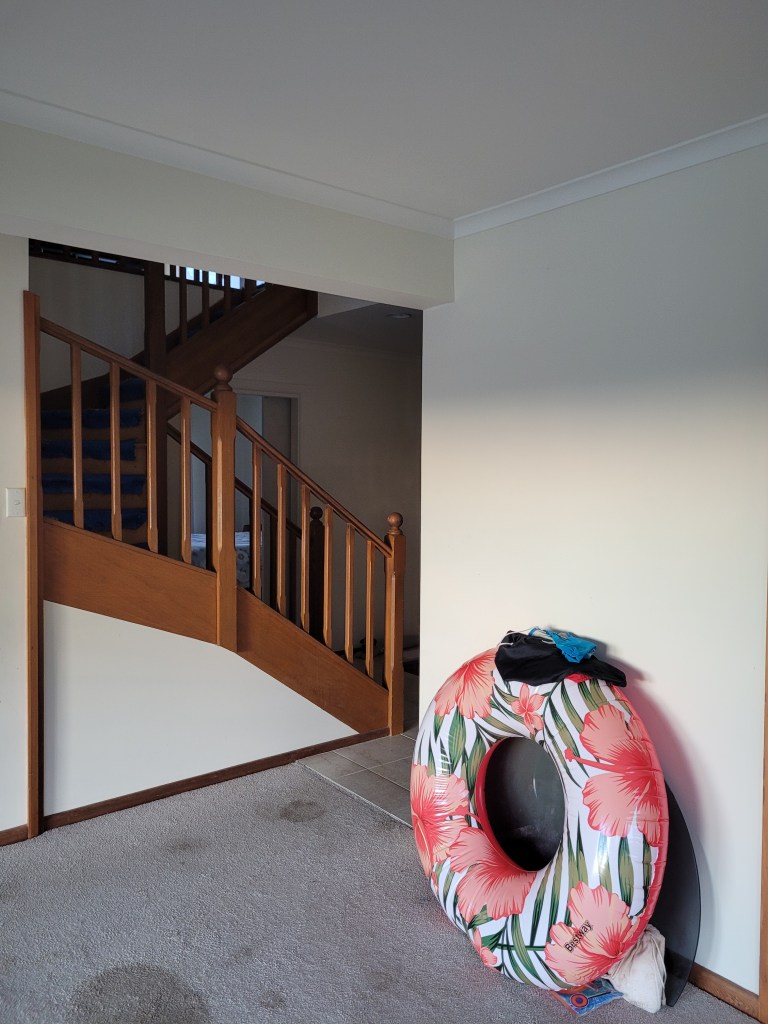
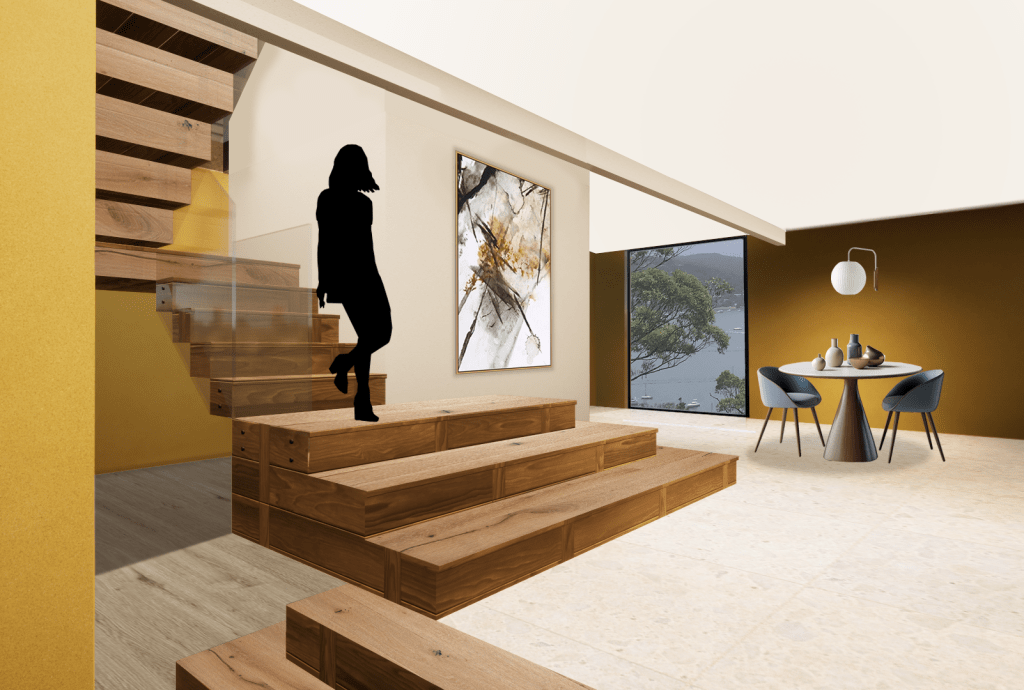
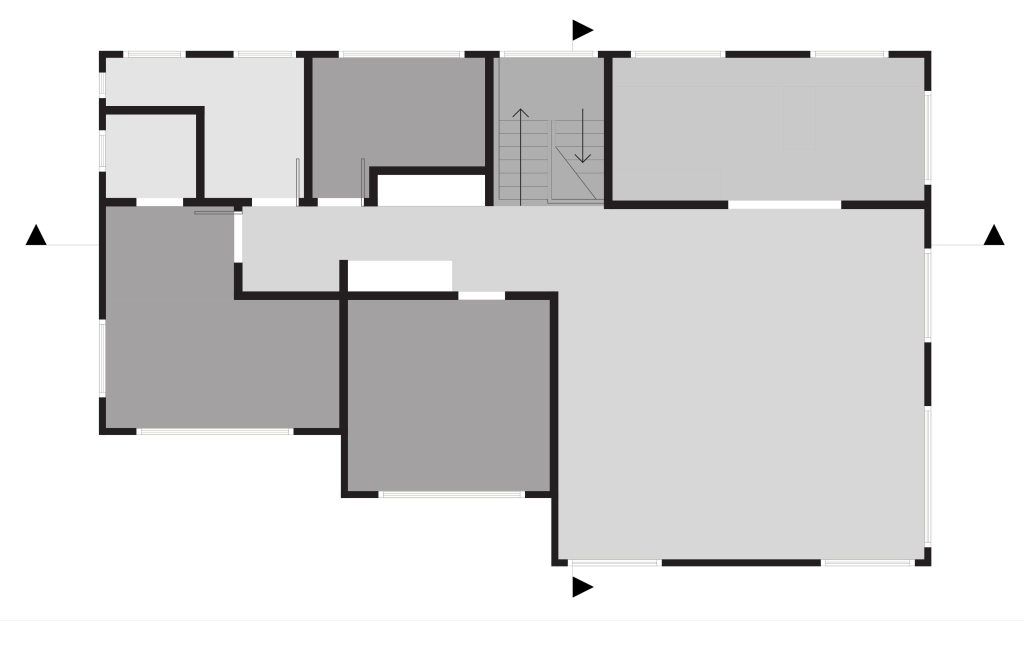
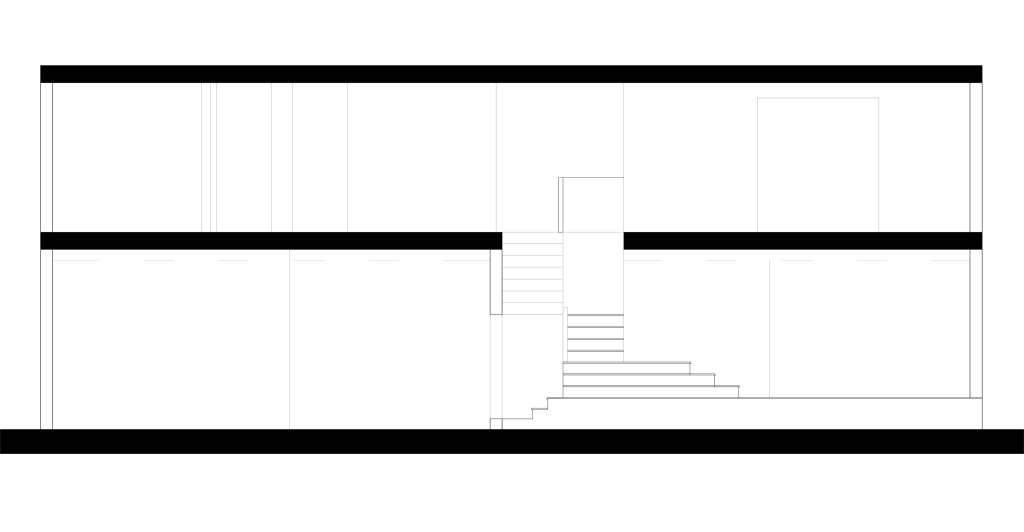
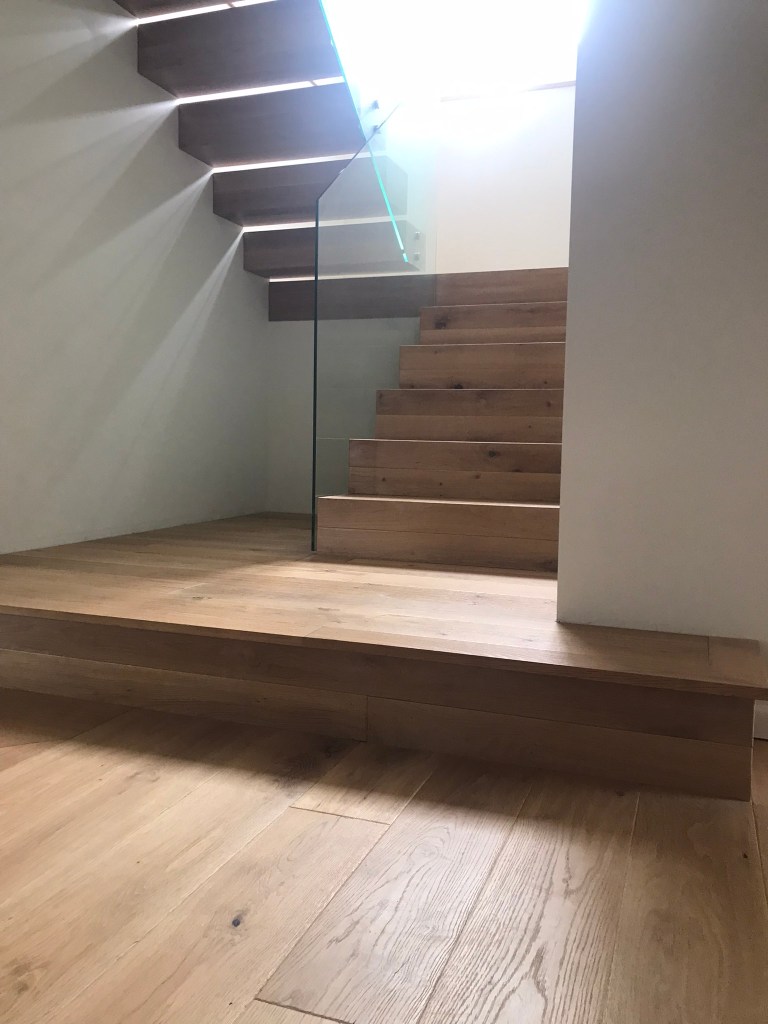
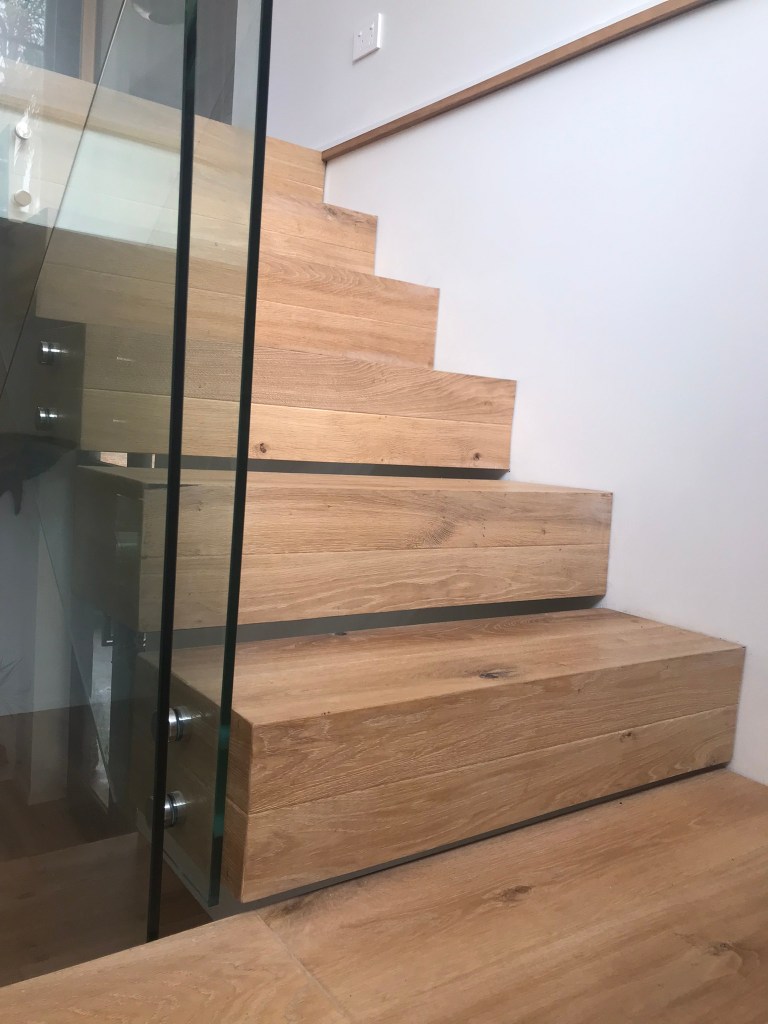
This project involved renovating a two-story, double brick rendered 1970s house in Bilgola Plateau, Northern Sydney, to achieve a classic modern style. The primary goal was to relocate the existing staircase from its central position to improve flow between floors The scope included re-designing the staircase for better usability, reconfiguring the house entry, preparing demolition plans, and creating visual renders. The original staircase was steep, prompting a redesign for easier access, especially since the clients frequently entertain guests.
The new design integrates a first-story living/entertainment area with the second level using a large curtail. This extension not only enhances accessibility but also provides storage under the stairs while seamlessly connecting both spaces. Additionally, the proposal involved expanding and leveling the entryway by cutting into the concrete on each side of the doorway to improve accessibility and usability.
Gender is no longer divided along the binary lines of ‘man’ and ‘woman’. From birth, gender roles were given to us and assumed based on our biology. Although as society has evolved, so has the standpoint on gender assumptions, there is still a lack of attention given to these issues, therefore it is important to address these assumptions. In a post labour scenario we believe that these gender assumptions will become more prevalent and therefore more toxic. To avoid this conclusion we propose a social condenser that aims to deconstruct and dissect these forms of gender roles and through our program, rewrite, reappropriate, and help individuals to unlearn these ‘roles’.
Despite one’s physicality, gender refers to how a person identifies themselves on the inside and therefore how they choose to express that externally. Girls should wear pink and play with dolls, grow up to learn how to raise kids, keep the home tidy and cook for their family. Boys are tough, growing up to be the breadwinner and taught to not be emotional. Our condenser provides an opportunity to test and educate those of all ages, culture and gender. A big influencing factor to gender assumptions is the media. Whether it be through advertisements or how individuals are portrayed in film.
Media is accessible to people from a very young age and often detrimentally impacts their views of themselves and others. It is important that these gender assumptions are corrected to present a more positive outlook. Therefore our social condenser epitomises a meeting place for all, where individuals are presented with programs that address gender assumptions through the following rituals associated with Emotion, Social Reproduction and Consumerism.
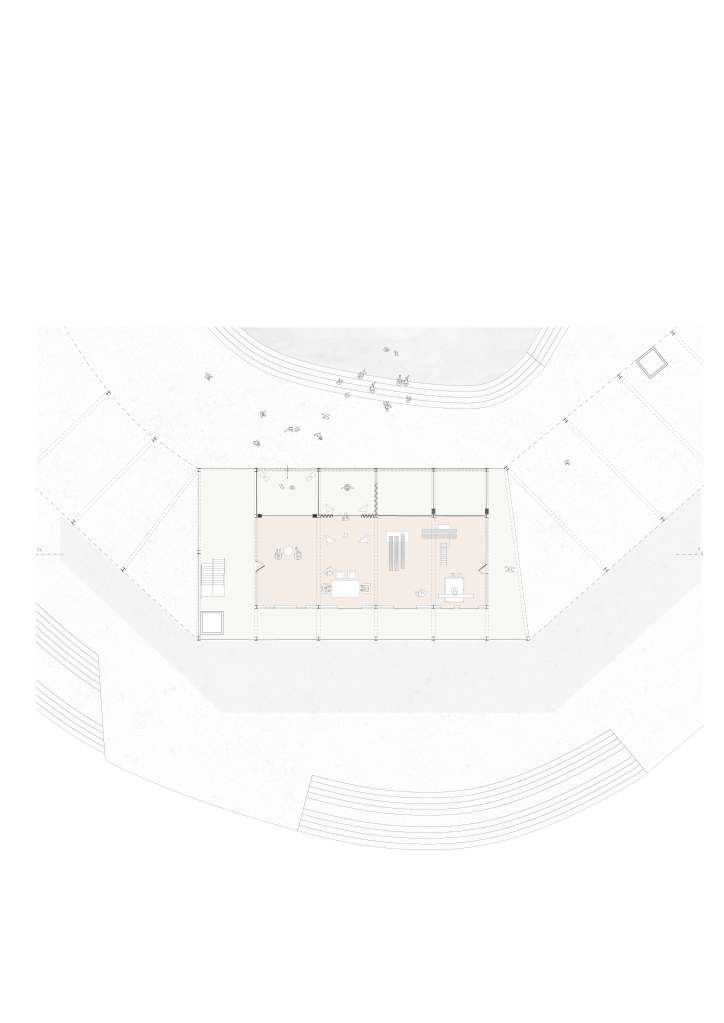
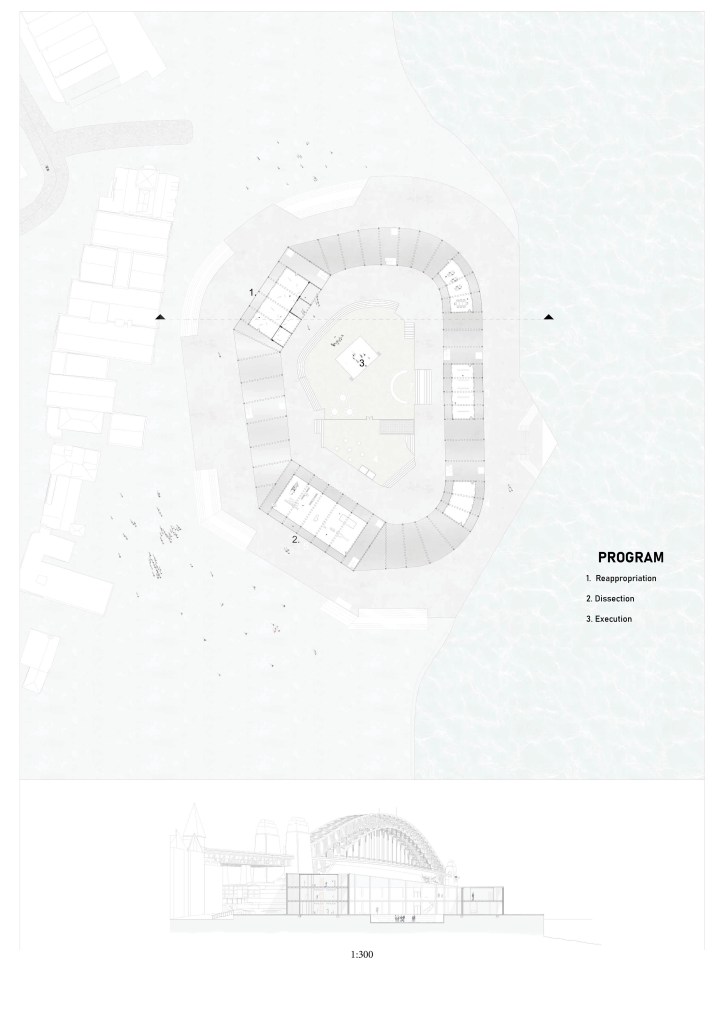
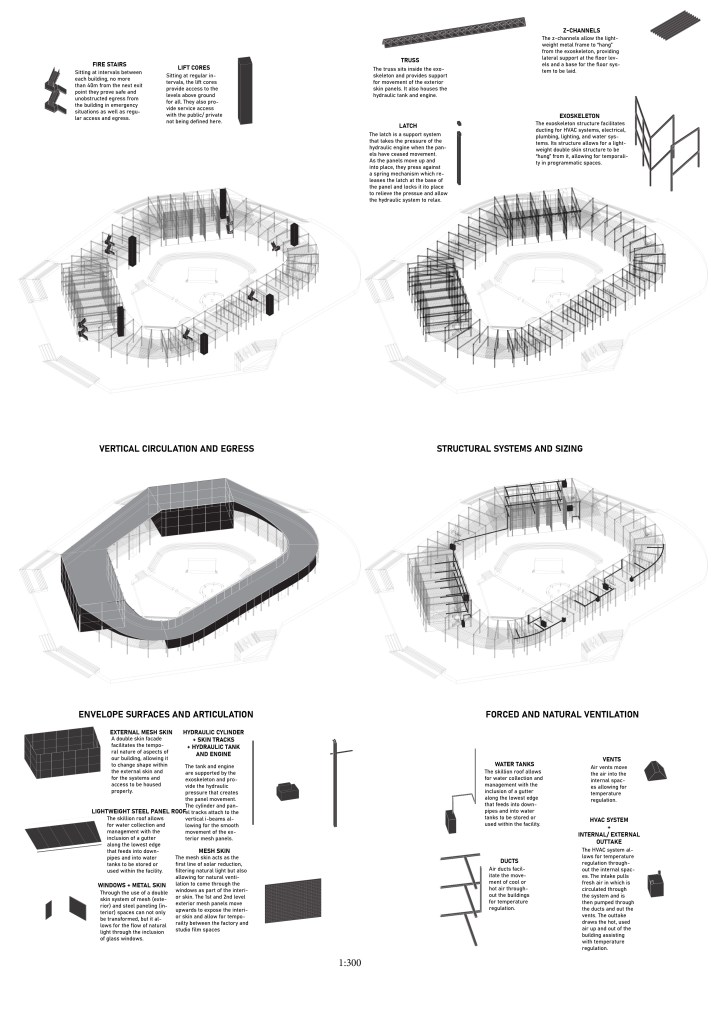
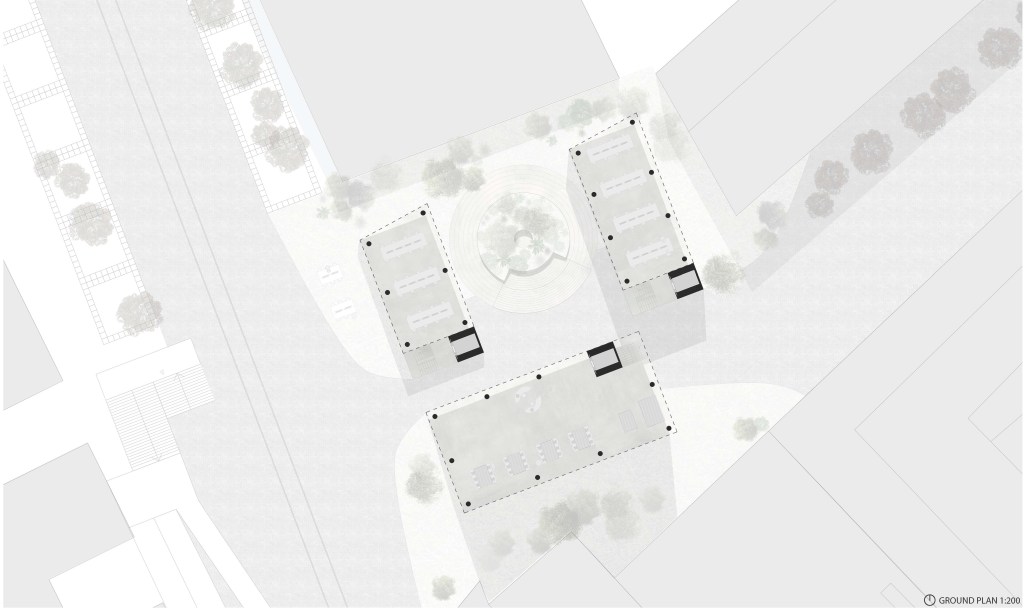
Working within Berriozar Town Hall by AmidCero9’s general layout we have distinguished five programmable building spaces. Through our two plans and sections we showcase the buildings relation to ground, the surrounding context and how the key pillars of our condenser are enacted through specific programs. Through our architecture we have devised a hydraulic powered movable mesh panel system which allows for an element of temporality within the studio and factory spaces.
Starting with our studio building we breakdown and reform previously trusted modes of media such as film, theatre and tv shows. Taking this element of violence through the deconstruction of popular media modes, we flip the negative emotional connotations on their head and propose a space for celebration and the amalgamation of previously ignored or intolerable differences. We have utilised the internal and external stairs spaces as amphitheatre halls. Using the carefully crafted nature of the internal space we have designed a town hall like courtyard that plays host to many of our celebratory events. To connect these spaces together, we utilised the movable mesh panel system to open the ground and 1st floor levels to the internal space to allow for bigger or more formal showcases and to also connect our buildings with their internal courtyard space. We really wanted to break that boundary between inside and outside by using our moveable mesh panels which bring in an element of temporality and transparency, really not drawing that line between inside and outside.
Our social condenser is home to a factory that subverts toys, a place of proliferation where gender stereotyped toys are hybridised, making them ungendered. Combining the moveable mesh panels and the amphitheatre like space we have created viewing areas which allows for the ritual of toy sacrifice which we have invoked. Citizens of the city can bring toys that they believe are creating gender stereotypes or assumptions and submit them for toy sacrifice. Our factory will then shred or deconstruct the toys to then reappropriate them into ungendered unbiased toys to enhance our social reproduction element. This program stands as the second pillar of our condenser, encouraging the process of social reproduction. The factory evolves toys for the purpose of two other programs within our site. Our advertisement gallery and childcare are buildings where our ungendered toys can be tested and also allows for the reappropriating of toy advertising amongst other gender assumed paraphernalia.
Three of our five programs stand as support for the three main pillars. The gallery, childcare, and media headquarters help to promote and encourage the concepts that our social condenser seeks to test. Emotion through media in the studio and media headquarters. Social reproduction through advertisement and creation of toys in the gallery, factory and childcare spaces. Finally through consumerism which is addressed through all programs in some way, whether it be the type of media we digest through to the very toys that we consume as children.
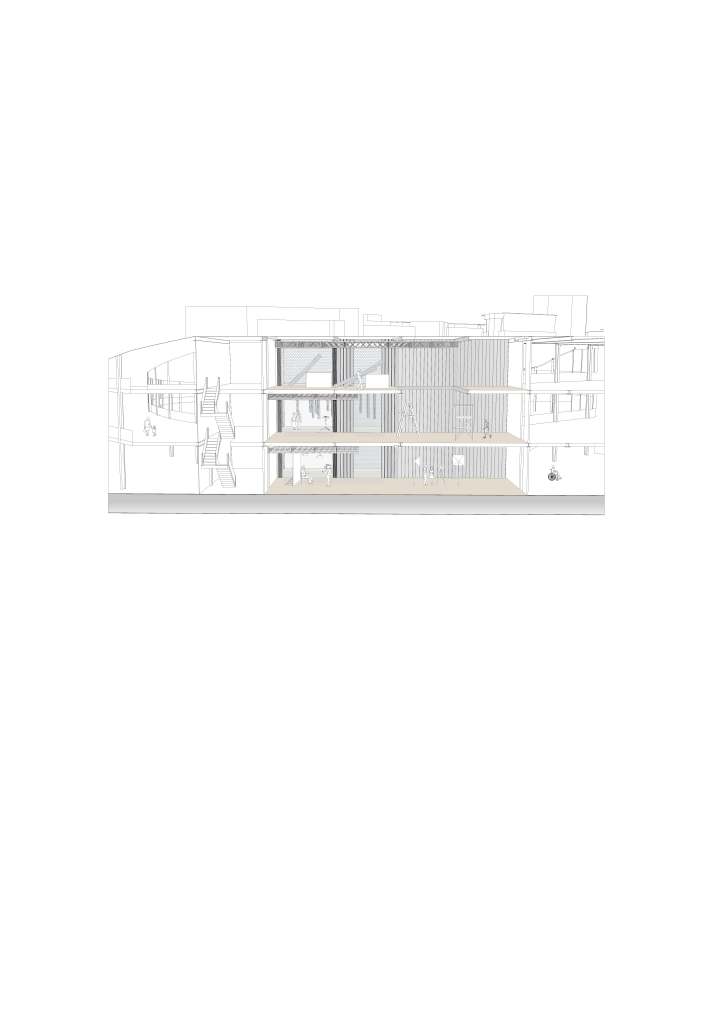
In a post labour scenario we will have more time to focus on that which is wrong in our society. We at Oikonomia believe that through the removal of work as the top priority in human lives, we will look inwards and start to question more intensely the ways in which we raise our children and the media we expose them to. Our social condenser provides a space for the questions to be addressed and for active members of society to begin the change. More specifically with the media being at the forefront of the education of children, this is where we begin. The studio space is a three story structure that houses anything and everything needed for the destruction and subsequent reappropriation of current and future media. Whether it be dismantling negative gender tropes, reimagining scenes from tv or movies or just being the space needed to start these discussions. The building can become whatever it is needed to be, as seen in the closeup plan and section, the structure combines the exterior moveable mesh panels with bifold panels on the interior to produce the atmosphere of temporality and creativity.
As part of our condenser we included a celebratory element to the changes we introduce, putting a positive spin on something that could be seen as negative, to really enhance what our social condenser is testing. To do this we have incorporated reappropriation premiers, theatre performances, and public forum like situations into our rituals. The amphitheatre-like internal and external stair spaces act as seating for these performances, with the internal space housing a stage for bigger affairs. The moveable mesh panels further provide seating or a more dramatic theatre space for these celebrations to occur.
Transparency and movability were important aspects we wanted to highlight through our architecture. The building hangs from a steel exoskeleton structure that forms the bones of the design. The five buildings are then wrapped in a lightweight double skin, with the outer layer being consistently mesh metal panels and the internal going between solid metal panels and glass facades. This allows for the movement of fresh air through the skin and for natural light. The mesh also creates a sense of temporality as the courtyard facades of the studio and factory buildings have moveable mesh panels that are operated by hydraulics. We wanted to maintain an open and basic circulation route, providing elevators and stairs to every building and having the walkways exposed to natural light and fresh air, so it gave the atmosphere of an open and inclusive space.
Exoskeleton-like in appearance, our site’s general structure also permits the structures to be flexible. Any of these options, as well as the opening up of the filmmaking studio facade seen in this axo, the display of commercials remade in this style, or even projections of our new scripts on the building itself, are all possible with such a structure. The studio’s exterior, which faces the site, is clad with metal panels that fold up and rest flat against the rafters. Additionally, these panels are attached to the exoskeleton, enabling for a variety of shooting locations to be constructed inside it. When necessary, the facade may be entirely opened up, allowing for double-height areas. For this project, we wanted a facility that was as flexible as possible in order to keep up with the ever-changing needs of its programme.
For this social condenser to operate, it needs a venue where these values may take place. Deconstructions and testing of gender assumptions are encouraged in our project, which allows for a beneficial transformation in society as the norms are re-enacted, rejected and rebuilt via media at the forefront. It is possible to unlearn assumptions about emotions, social reproduction, and consumerism based on gender through challenging preconceptions. Action and discourse are encouraged in this area, which radiates beyond the walls and demonstrates the value of these deconstructions to others who are outside this space. It’s reasonable to think that the preconceptions about gender that are based on words and social media may be unlearned and reinterpreted using the same sources. As a result, this social condenser is essential in order to avoid the continuation of these assumptions, to educate persons of all ages, particularly the younger generation, and a place to advocate and actively combat these concerns. Gender roles that have been assigned to us since birth may be unlearned in a secure environment, allowing us to redefine our equality amongst all people.
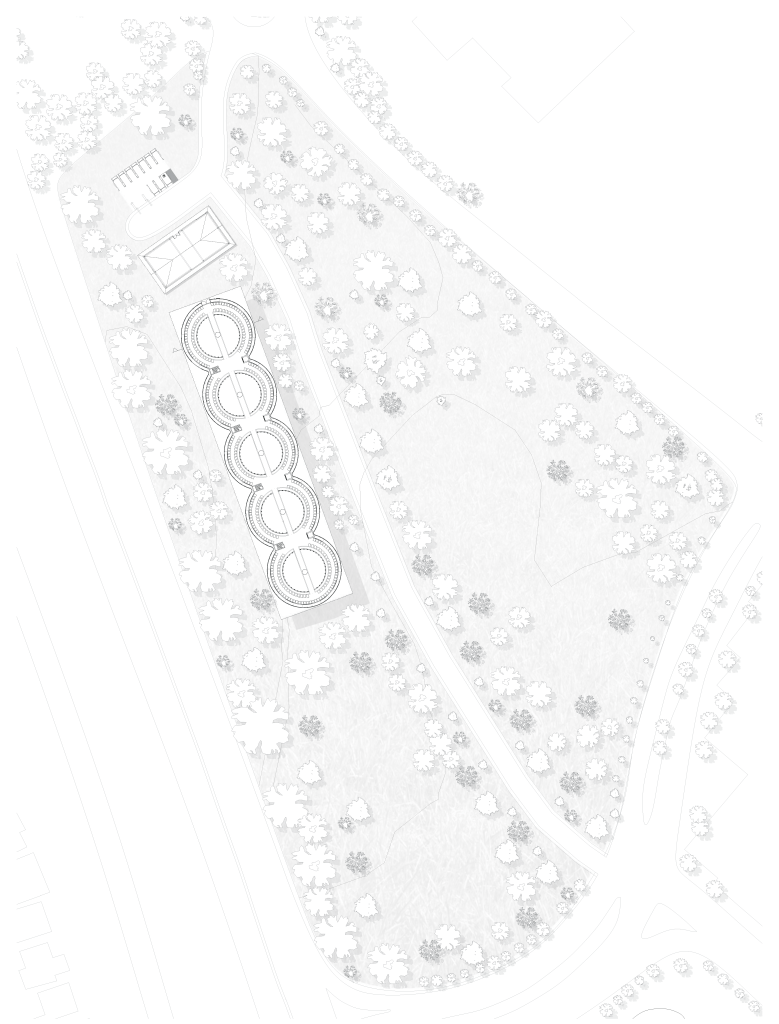
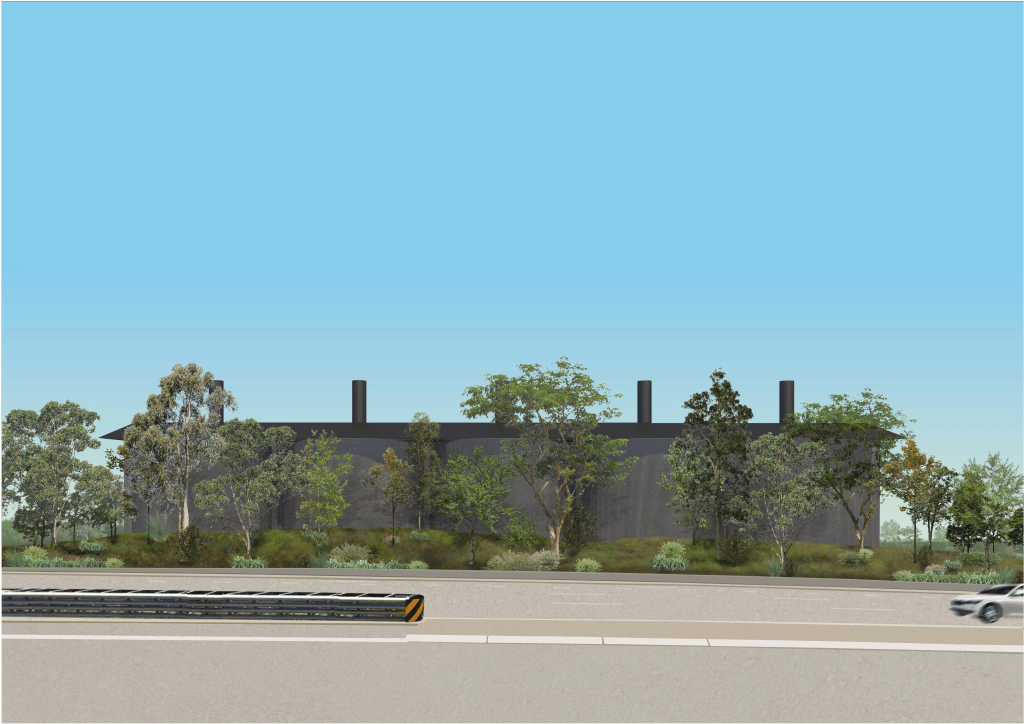
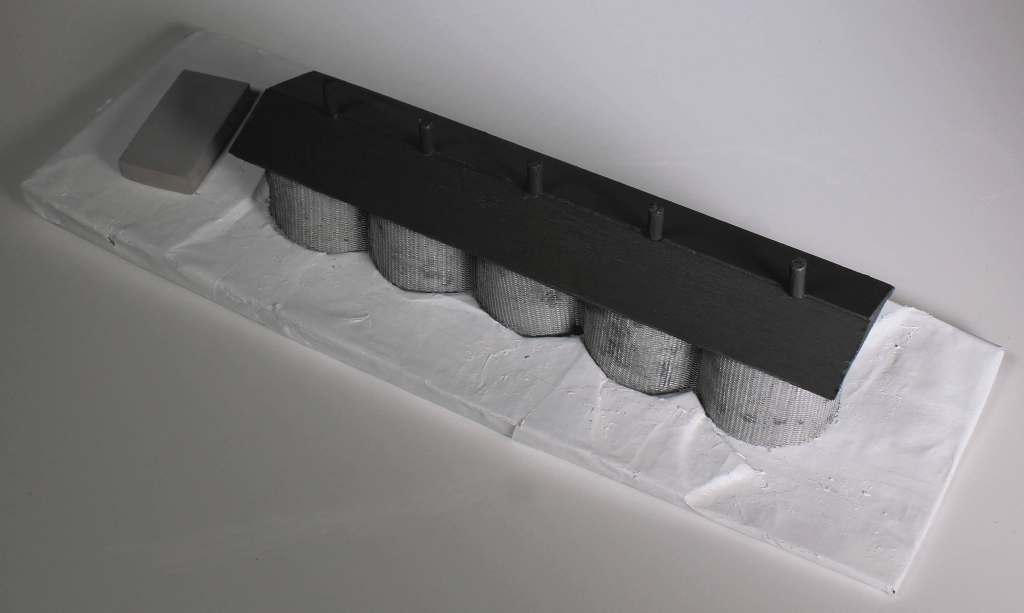
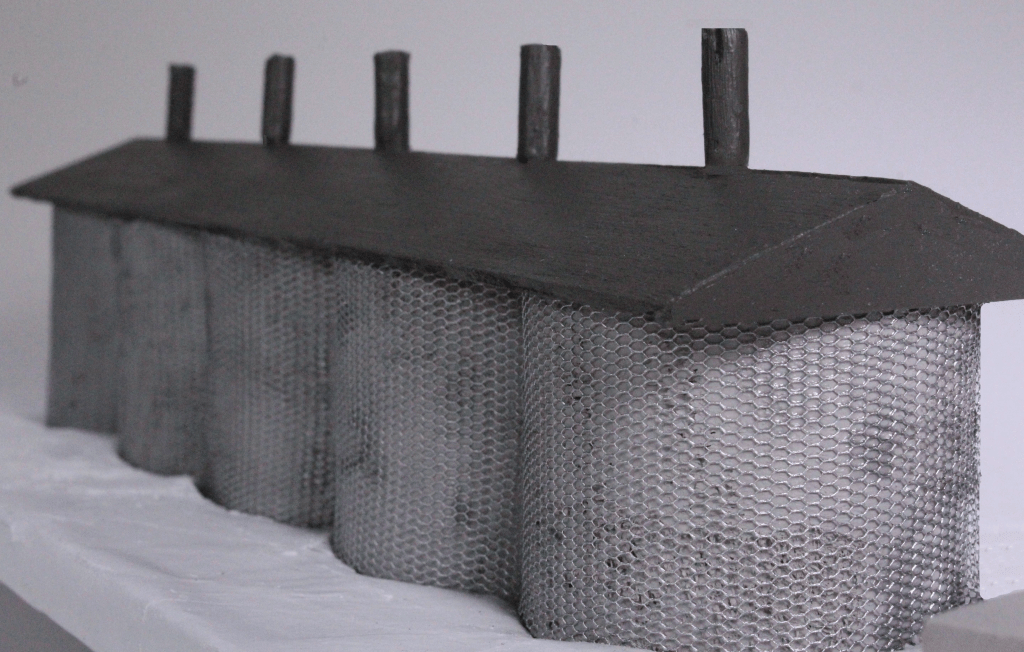
Bella Vista is a convergence of residential, industrial, commercial and natural reserves. Our design proposal seeks to add to Bella Vista’s developing urban context yet at the same time help to create a new identity for the emerging suburb. Through exploration of a rudimentary plan we were able to quickly define a basic shape and with inspiration from CLUMEQ Colossus supercomputer we found a way to successfully address thermal and spatial requirements via a silo based shape and thus DataCentric Silos was born. Challenging traditions of data centers through its rudimentary structure and intricate skin, Datacentric silos creates a contemporary monumentality. Drawing inspiration from UAP and Ned Kahn’s Kinetic artwork at Brisbane Airport, we designed an intricate skin that follows the building’s cyclic shape and draws the eye of the everyday commuter.
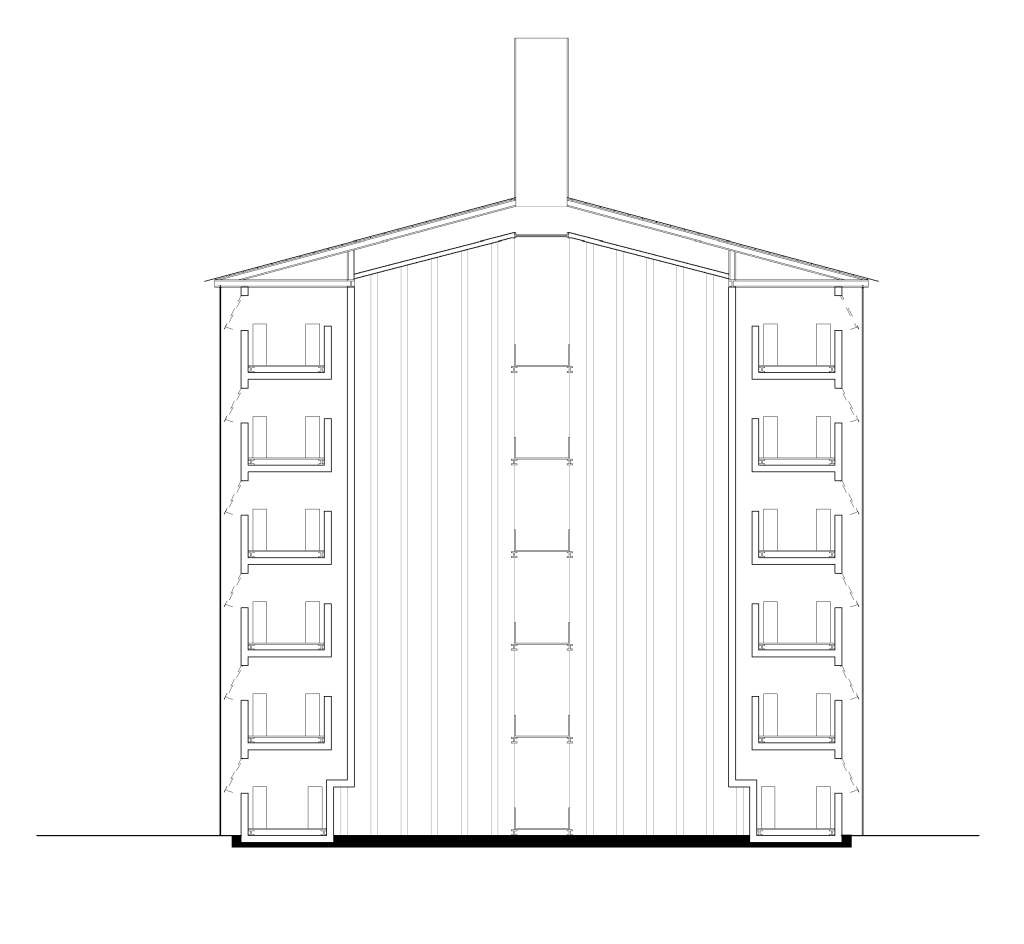
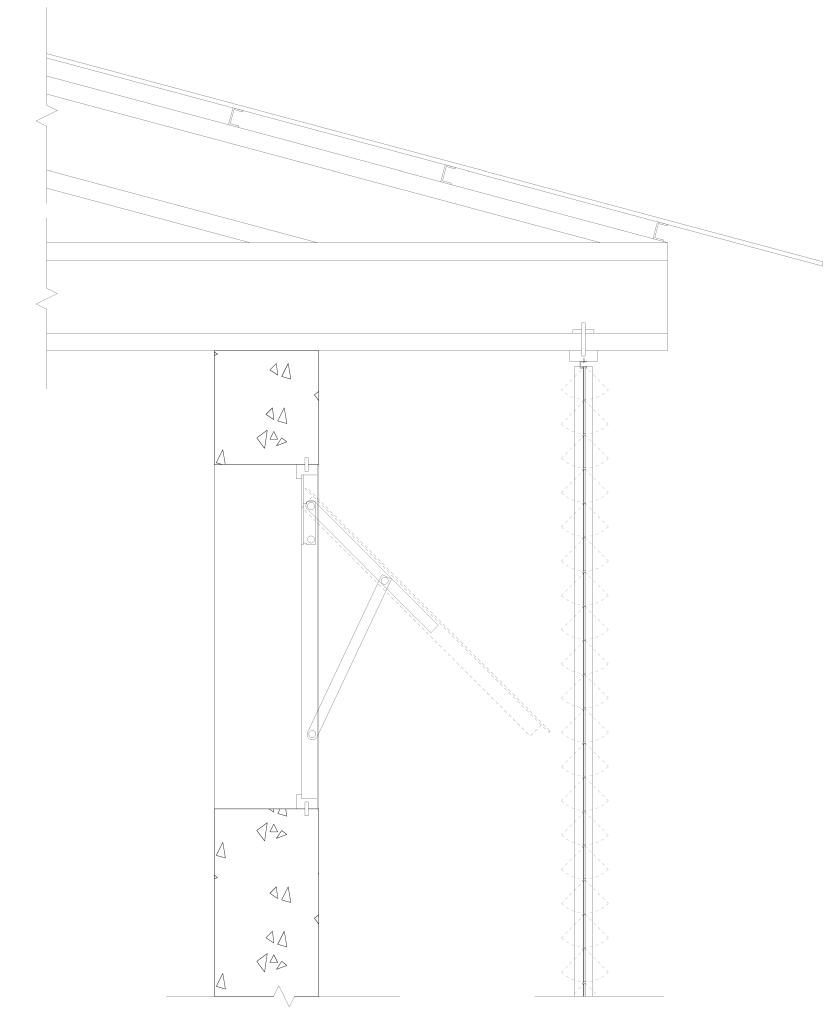
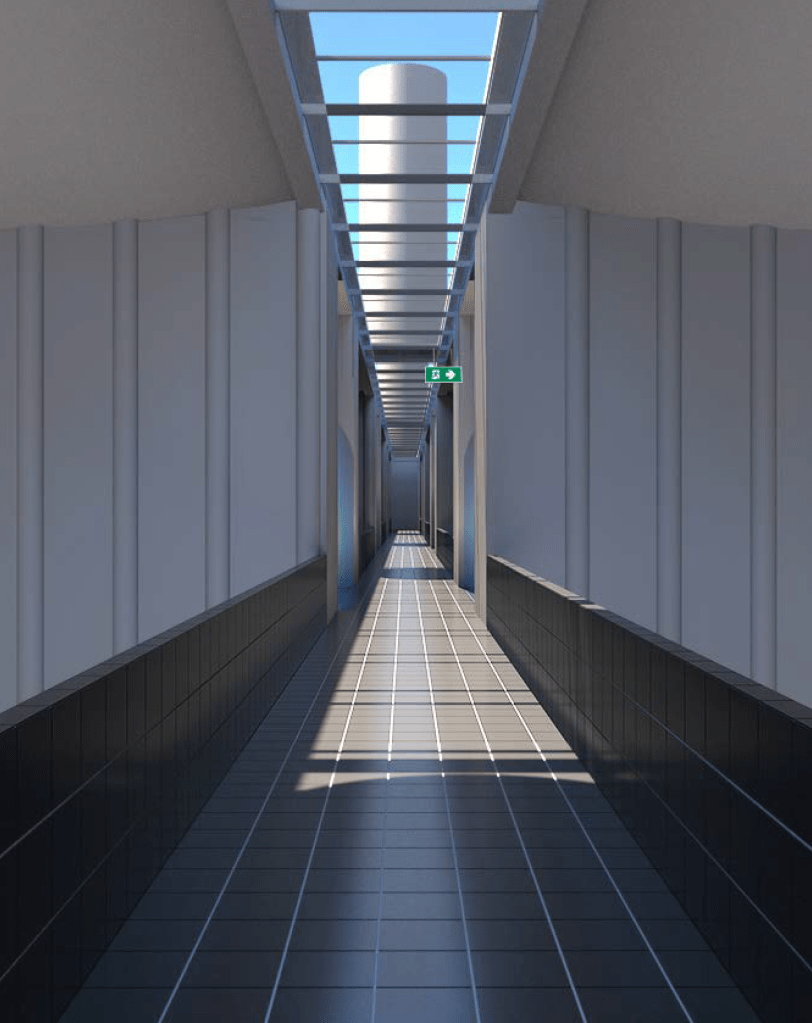
DataCentric Silos is constructed from reinforced concrete, the thermal stack effect required a chimney space therefore, we included a double ceiling design which has a double glass skylight along the apex of the roof to draw light into the void and walkway. The walls of the void have columns, these pieces are structural but also create a small moment of monumentality as the slim tiled walkway pulls you across you’re confronted with a wall of textured concrete and you get the sense that the building is standing there with just brute force.
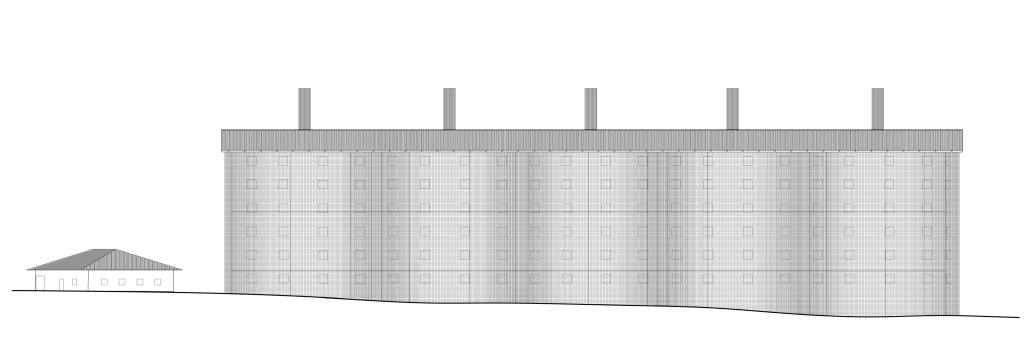
Through the connection of 5 silos, a seamless circulation is presented with the data racks spread across 6 levels with a total of 2,490. With ample data storage available and modular design implemented it enables for multi-company usage across all levels. A small services building breaks the repetition of the cyclic design deliberately as we wanted something that would fade into the background. The building is equipped with a steel frame for an open internal layout continuing the modular and multi-company approach. The building would house, security services, staff bathrooms, offices, storage, loading dock, mechanical rooms, general network infrastructure and backup generators.
Data centres are known for being hard to cool down, and with a site such as Bella Vista, the Australian sun was a large concern. Not only was the circular form taken as inspiration from the CLUMEQ center, but also how they implemented a thermal stack strategy to enable passive cooling. The internal structural wall creates a central void, allowing for a chimney stack effect to take place. All data racks sit on an elevated steel grate enabling a cavity between them and the floor, for accessibility and passive cooling. The cool air that enters the space through the awning windows moves within the cavity, picking up any heat radiated from the racks. As hot air rises it is pulled out of the area through a gap in the internal wall via a difference in pressure created by the heating of the chinmy wall. The air then rises and continues the cycle by further heating the chimney and increasing the pressure difference, therefore resulting in the hot air being pushed up out of the central chimney. A Woodland grey colorbond roof caps the silos and wraps the chimneys. Its colour and materiality further drives the thermal chimney effect, by creating the draw of hot air up and out the 7m chimney.
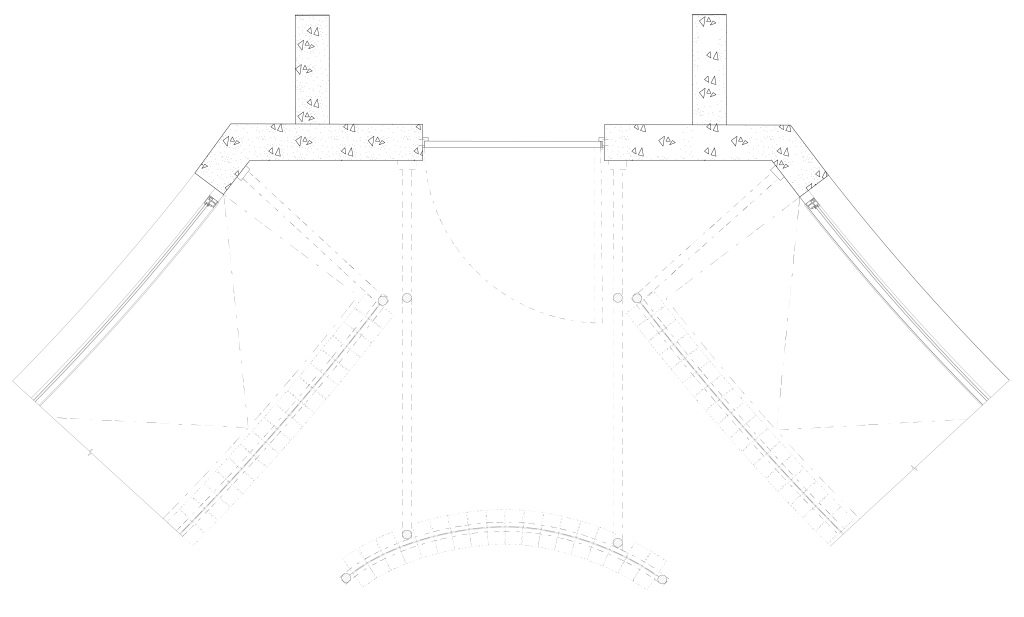
Inspired by UAP and Ned Kahn’s kinetic artwork, an intricate skin follows the form of the building. Sitting on a 100 by 100 grid, the polished steel plates are 95x95mm to allow for a complete swinging movement. On mass this creates a curtain like effect as the plates flow in the wind. Up close the skin becomes a sensory experience as the individual is overwhelmed by the sheer number of plates and yet the utter delicacy of a structure so large. For those driving by, the skin glimmers in the sunlight, with the movement of plates becoming more subtle and almost murmuration-like in their patterns. At each silo junction along the western facade the skin creates a theatre curtain to allow for an exit point particularly in the case of emergencies. The theatre curtain allows for an uninterrupted facade.
DataCentric Silos is a proposal that seeks to challenge the traditions of data centres and through its monolithic structure and lightweight skin it creates a contemporary monumentality. Through a rudimentary plan we were able to place the intricate details into areas such as passively cooling the building via awning windows, the textured interior of the voids and the polished steel plate skin.
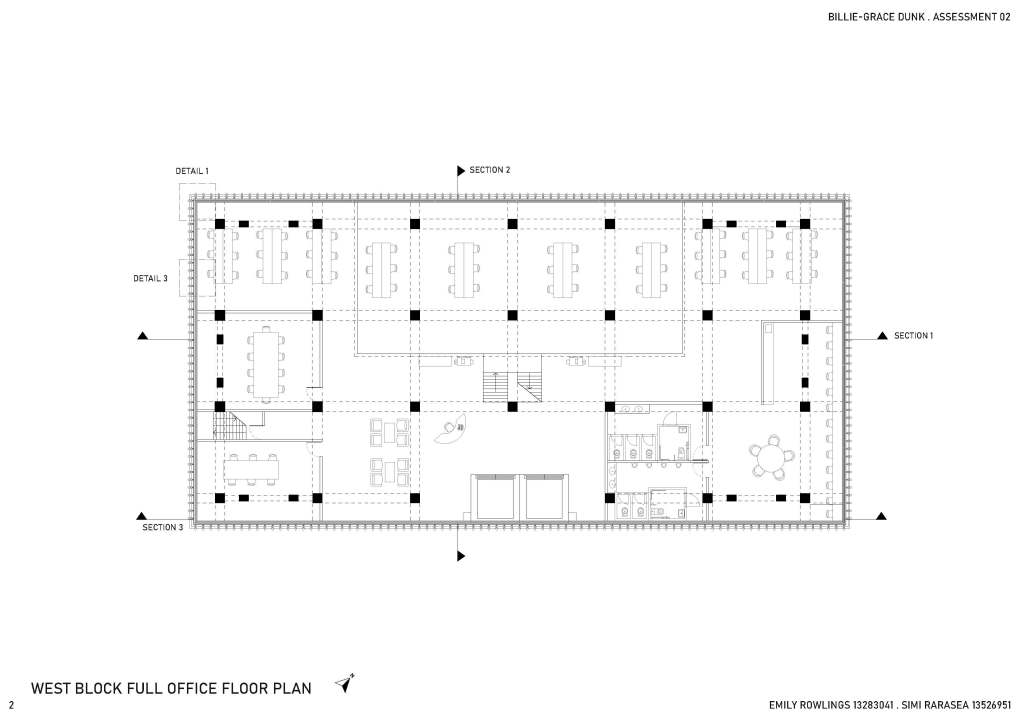
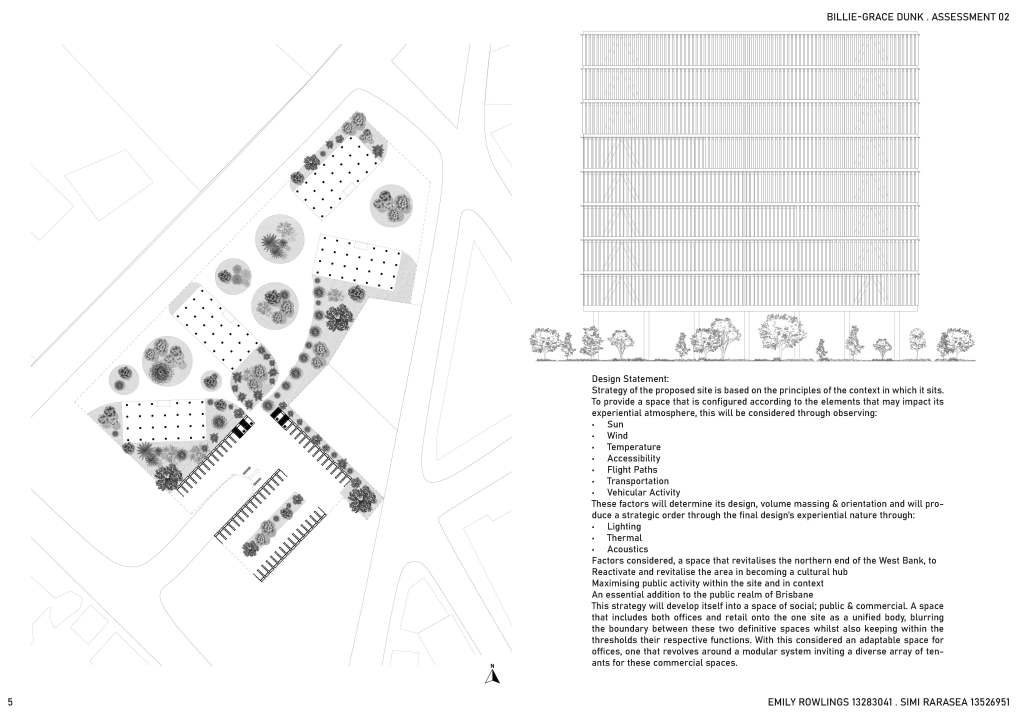
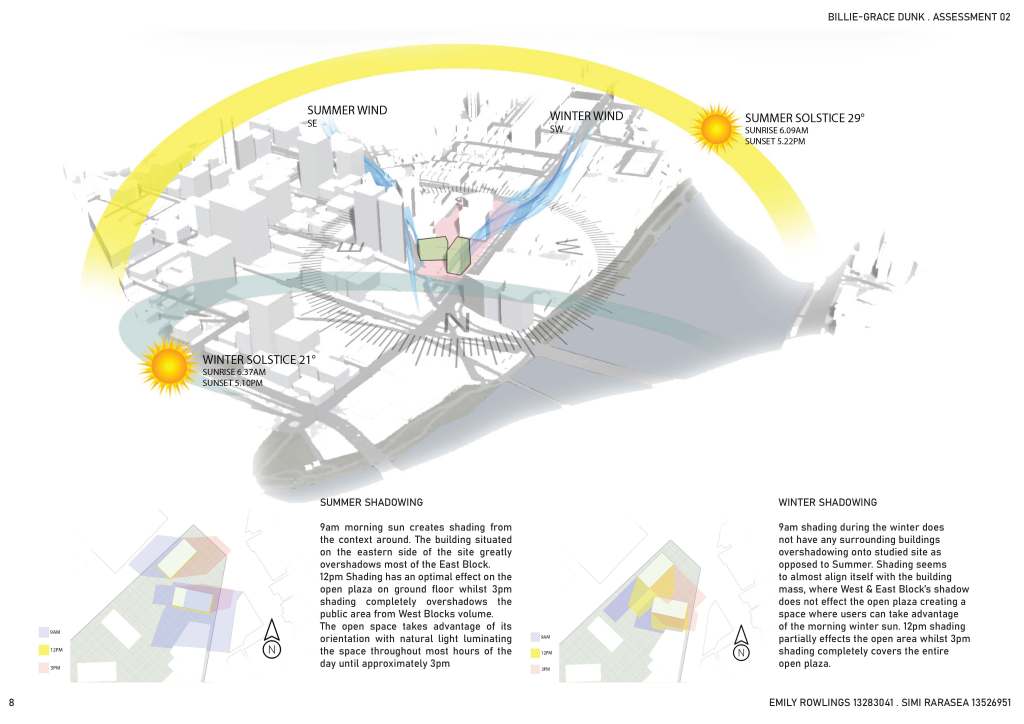
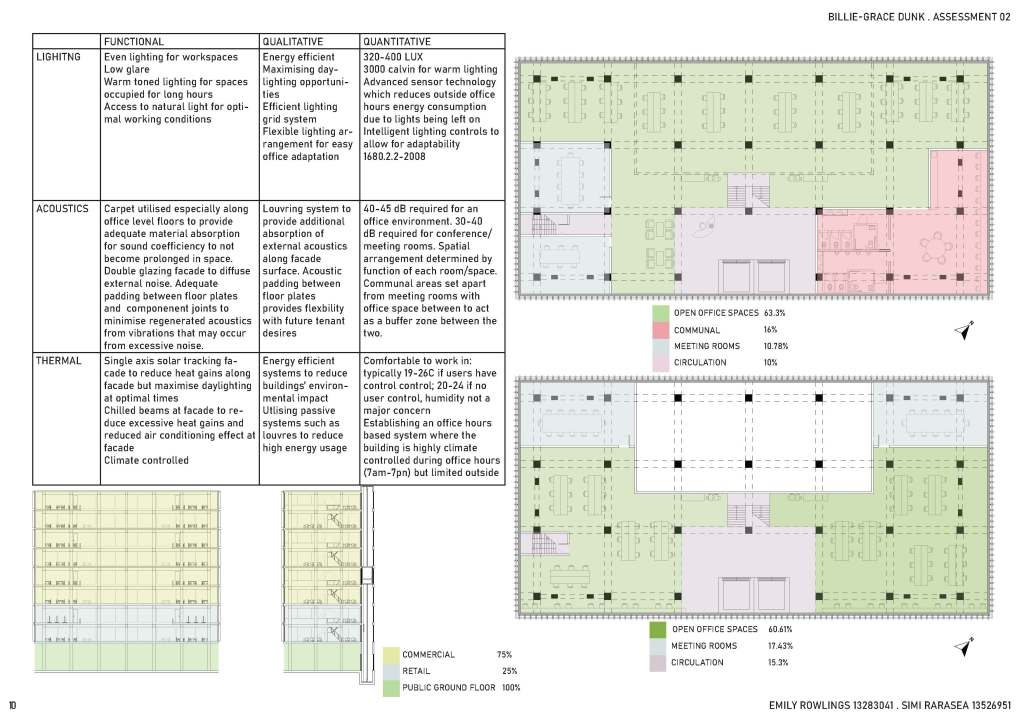
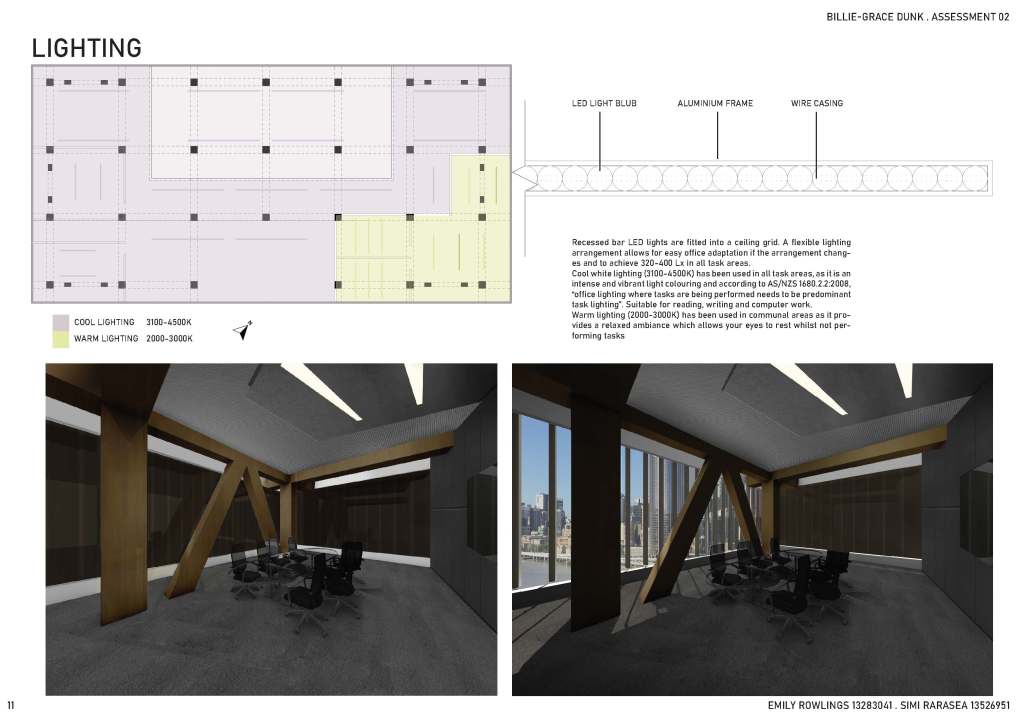
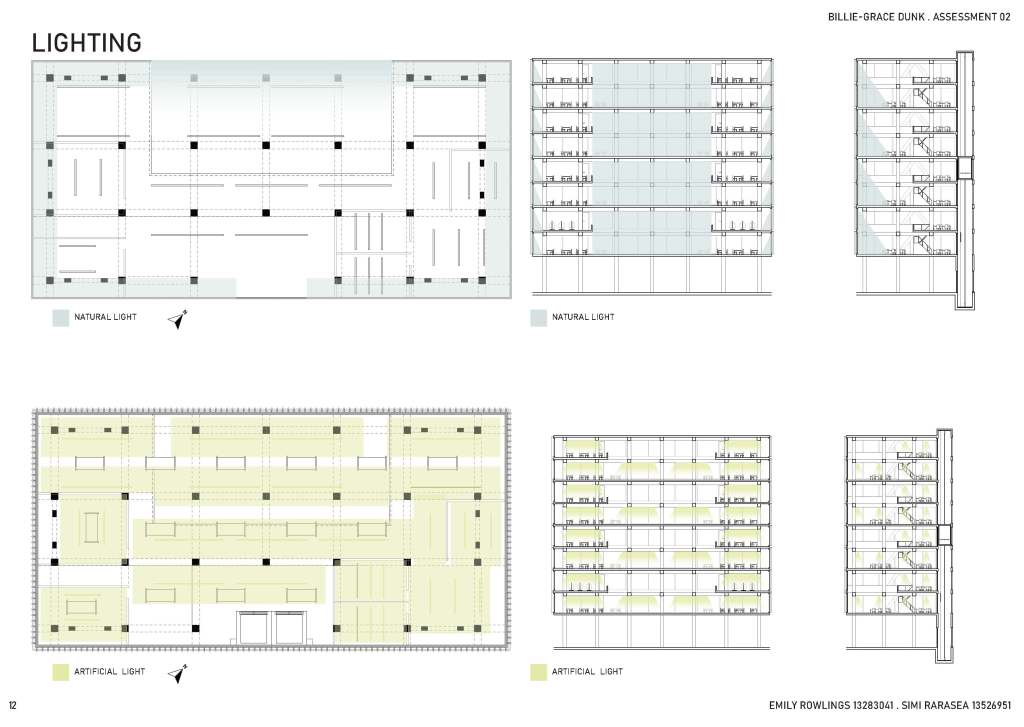
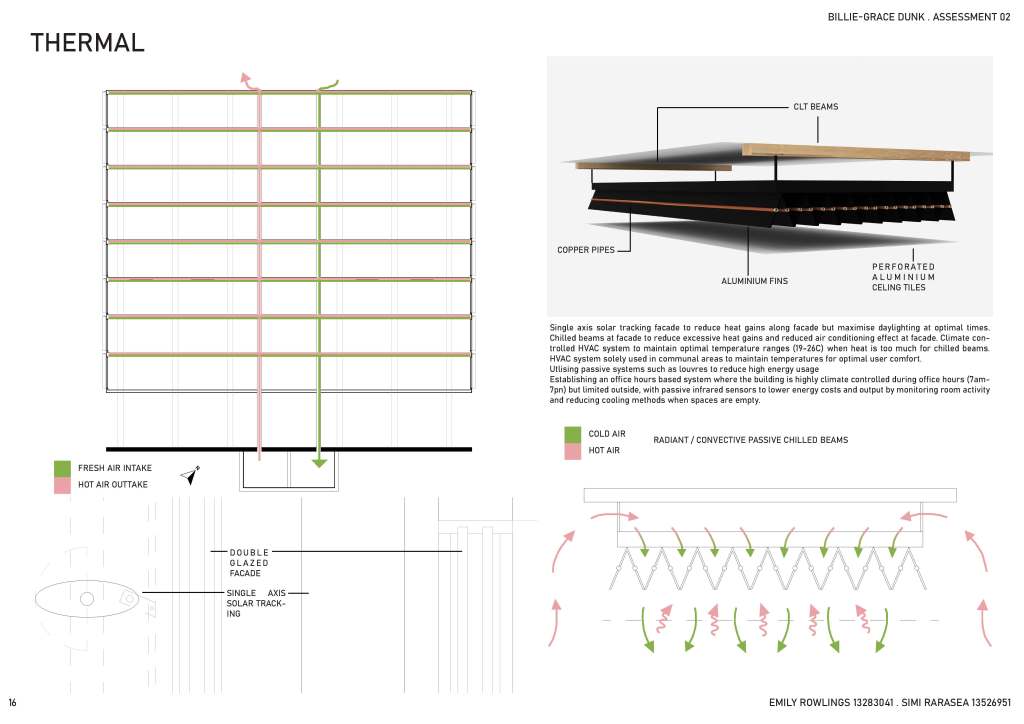
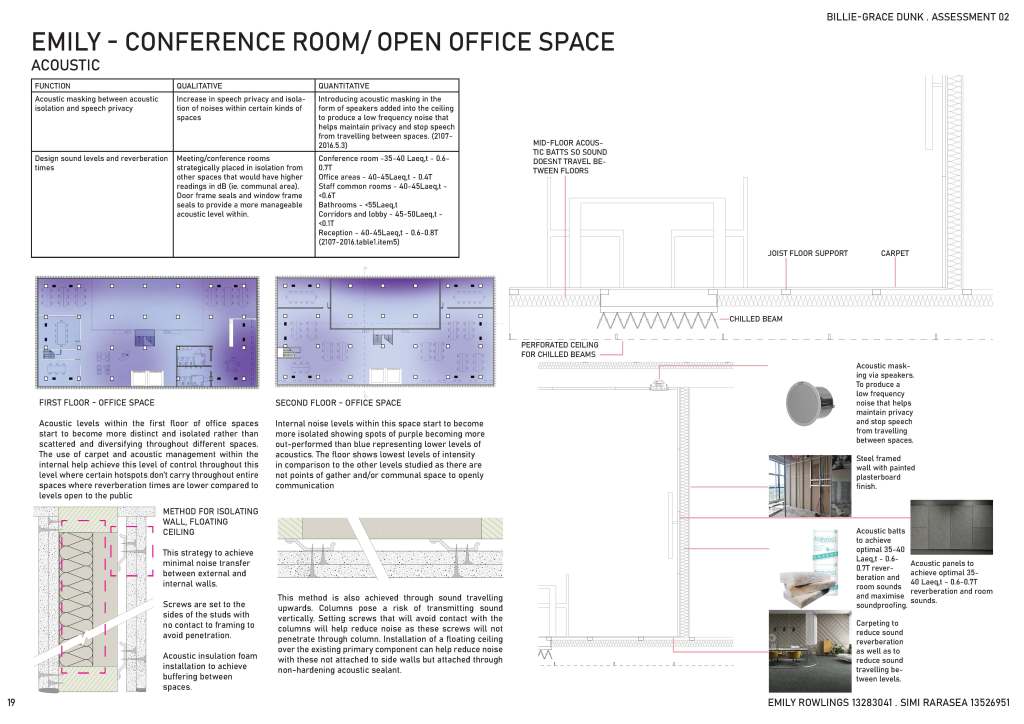
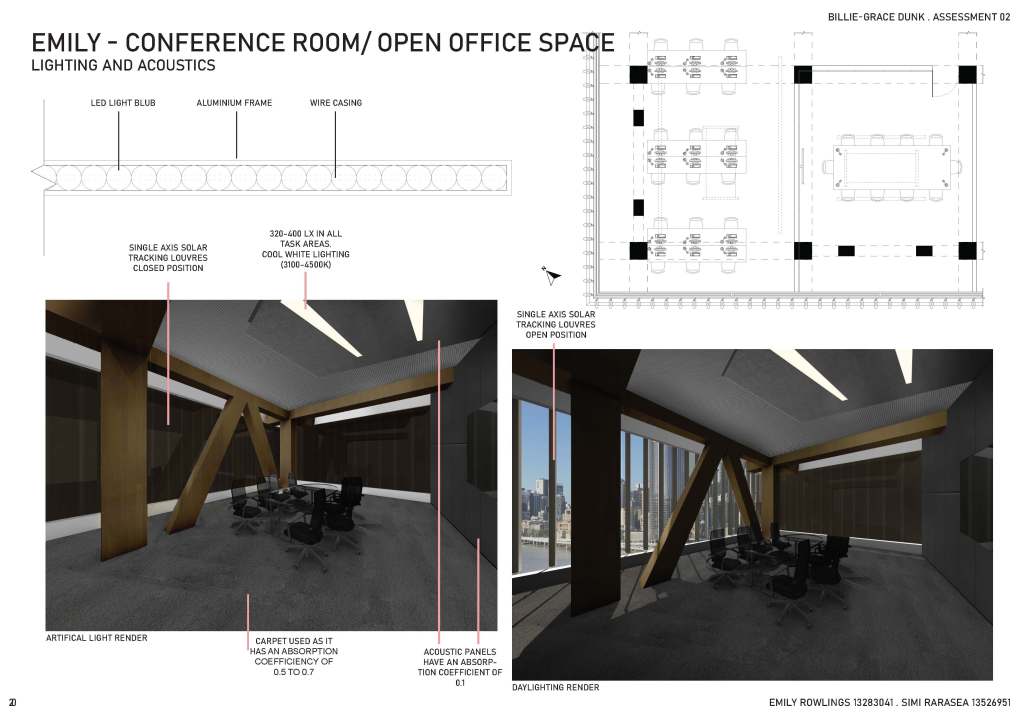
Assessment 2 in Lighting, Acoustics and Advanced Environmental Control required us to work in teams of two to design a building in a specific site with specifications that suited the conditions. I chose to work with the conditions associated with Brisbane and to design an office building using sustainable practices, efficient power management, and minimalist environmental control solutions. As a team we collaborated in the design stage to create a CLT and Glulam based office, with stop start levels, chilled beams, HVAC systems, hour controlled lighting, and solar tracking operable external timber louver systems. Every decision made reflected our stance on sustainable practices and with the mindset to create a multi functional space so that the building can be “recycled” with minimal waste once its done with its original function.
See below for more technical information on how we achieved these systems.
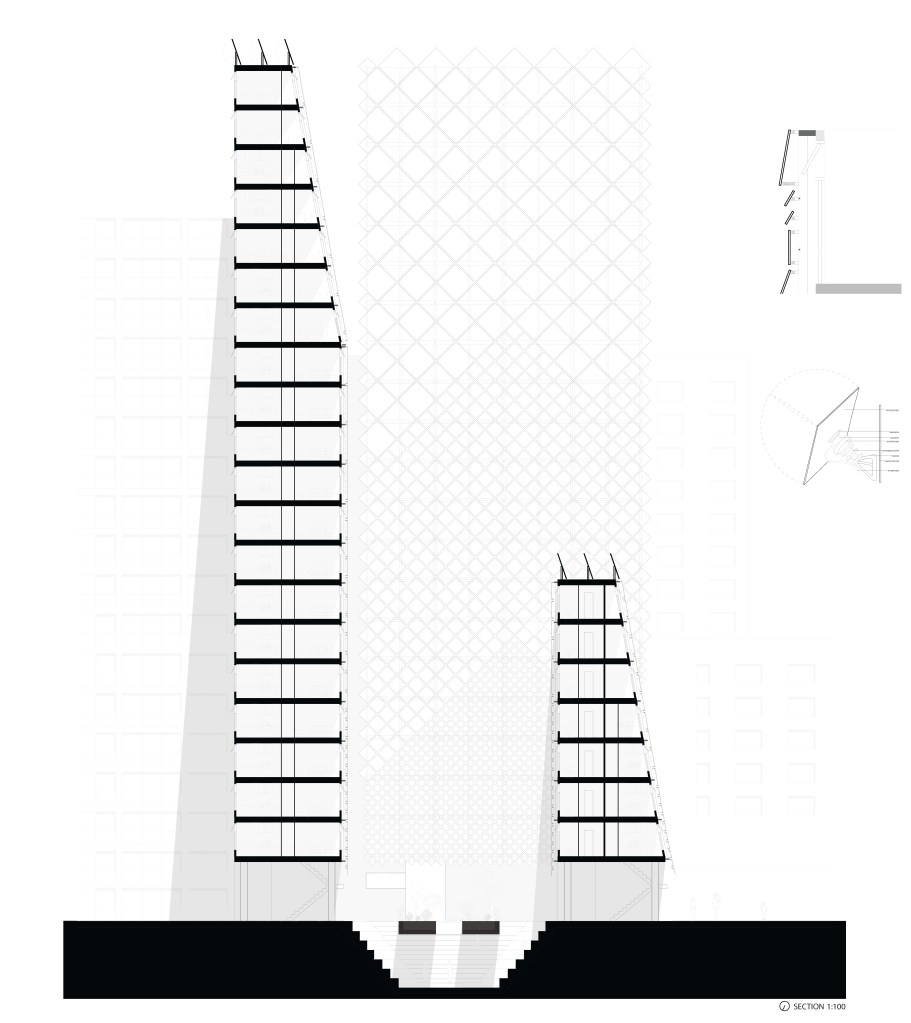
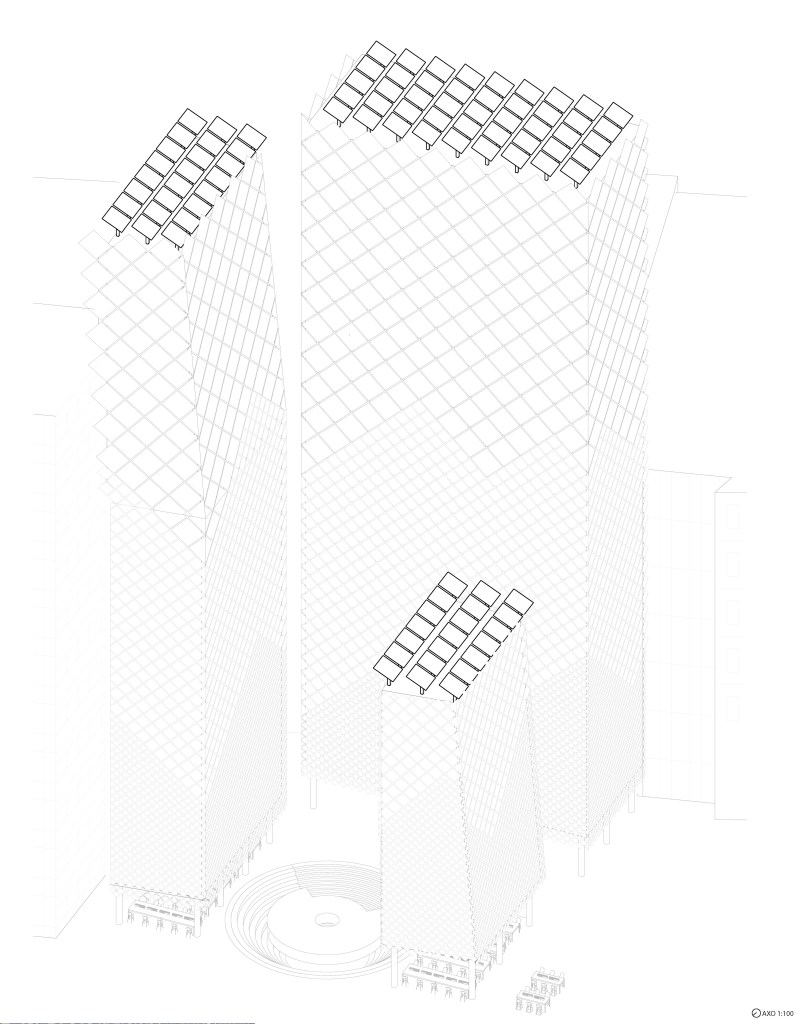
Protosolar was designed to be a beacon of renewable energy, using its unique solar facade to become a renewable energy hub. The accommodation blocks of Protosolar have been sculpted and orientated to maximise the opportunity for solar collection, the solar facade of each block becoming an integral part of their architecture. Removing the need for energy providers, Protosolar delivers power straight through the grid to those utilising its peer-to-peer trading system. This allows for customers to have faith that Protosolar is a 100% renewable resource, whereas other distributors or power plants may be involved in fossil fuel companies. Using a peer-to-peer solar trading system, Protosolar will become an energy network, sustaining the local environmentally conscious community. By creating a renewable energy network, this removes the potential connection to any fossil fuels, by removing the connection from companies that have involvement in non-renewable resources. Utilising this grid system to foster a new type of community, centred around sustainable living, Protosolar engages the public through its interactive charging hotspots and learning centre. Customers who are interested in being part of our renewable energy network, will become connected through an app that allows them to choose where they draw their power from. This allows the public to have an active role in deciding what kind of power they’re receiving, and with Protosolar being a landmark in this field, the public are able to physically see where their power comes from rather than relying on the promise of a billion dollar company. With Protosolar, we hope to influence a new interest in renewable energy, specifically Solar in Australia with the extreme summer conditions.
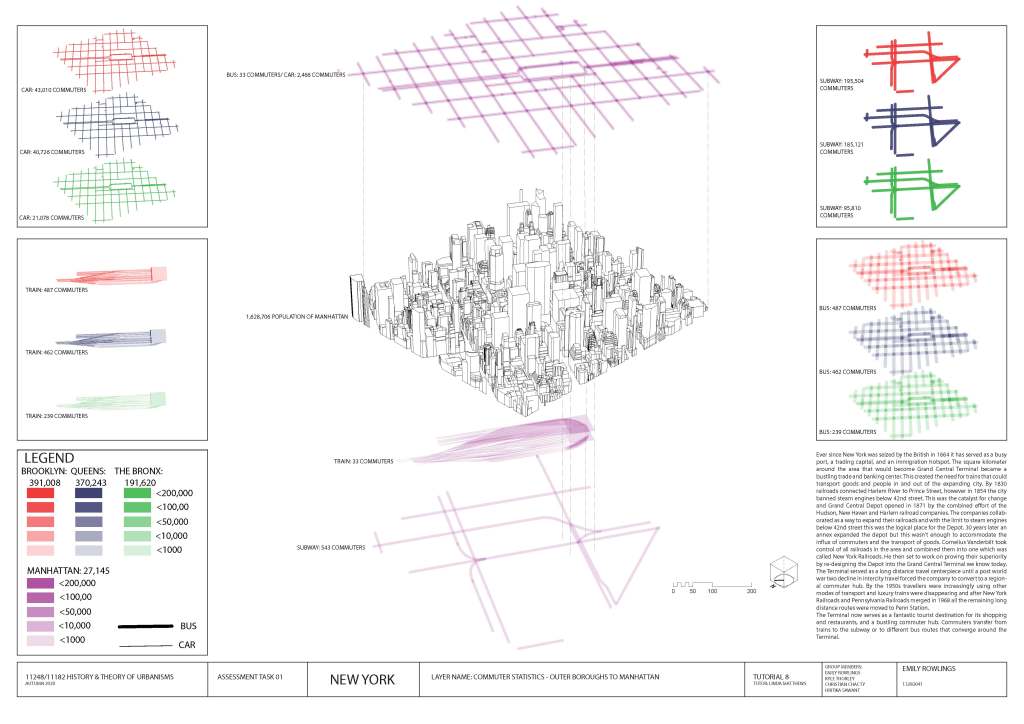
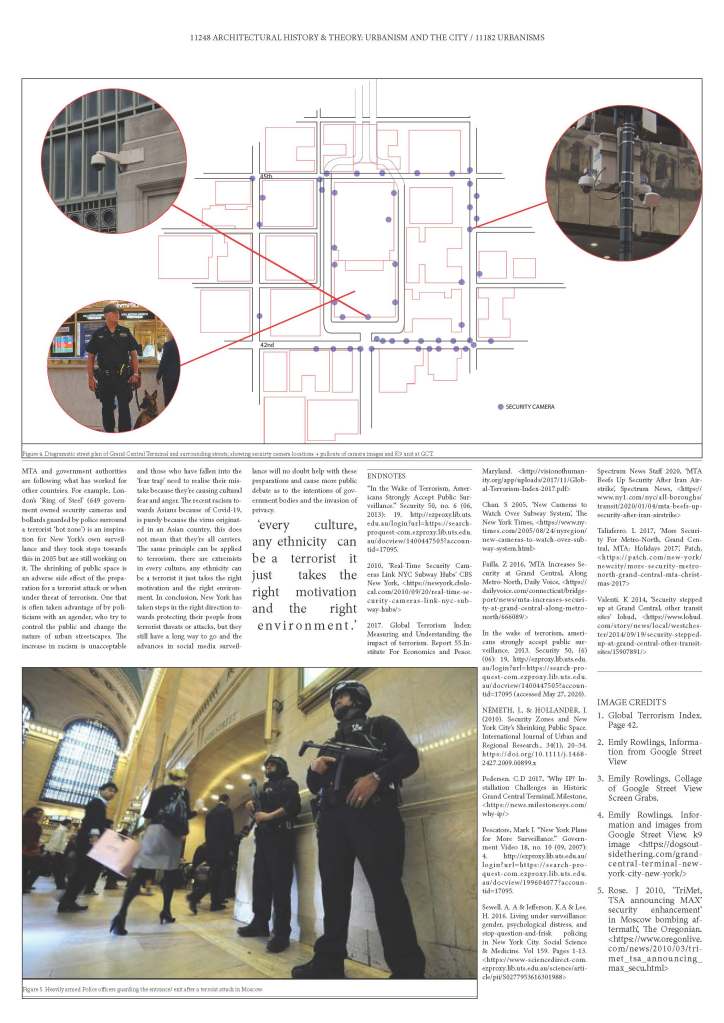
Assessment 1 required us as a group to map a 1km square of New York City. We chose the area around Grand Central Terminal to better understand how this once bustling center of trade and goods became the tourist hot-spot and shopping precinct it is now know as. Through research of roads, trade routes, and public transport we created a map that details commuter statistics into the Manhattan borough. Which as we discovered displays that over time the Grand Central Terminal was downgraded to the tourist hub rather than the commuter hub.
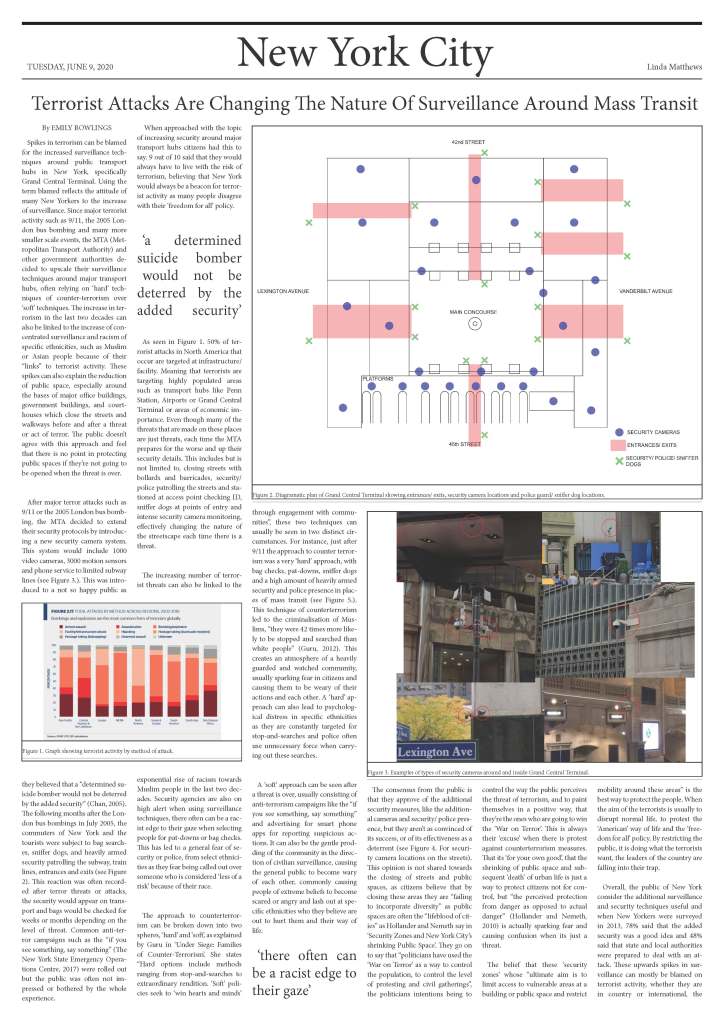
Assessment 2 required us to take our research from Assessment 1 and bring in the element of surveillance. By mapping the location of cameras in and around Grand Central Terminal and researching surveillance techniques before terrorist attacks I was able to evaluate how the increase of surveillance effected mass transit and the surrounding city. These spikes in terrorism can also explain the reduction of public space, especially around the bases of major office buildings, government buildings, and courthouses. Security agencies are also on high alert when using surveillance techniques, there often can be a racist edge to their gaze when selecting people for pat-downs or bag checks. Hence the increase of survaillence around mass transit has a negative impact on the public and creates hesitation when introducing new public space into a city for fear of terror attacks.
See below for full article, statistics and images.
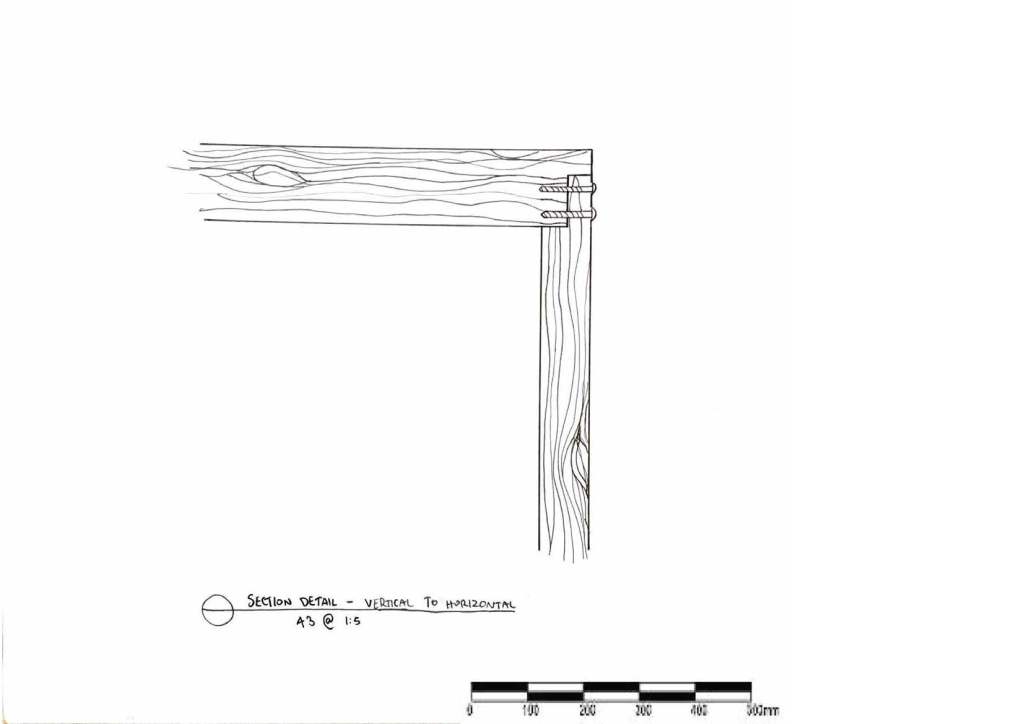
Architectural Studio 3 allowed us to delve deep into the specifics of materials and how the choices we make determine every aspect of the building. Earth was the focus of my studio, and more specifically I chose clay.
The first assessment focused on the combination of different things into our chosen material (clay) and how this would make it stronger or weaker as a structural material.
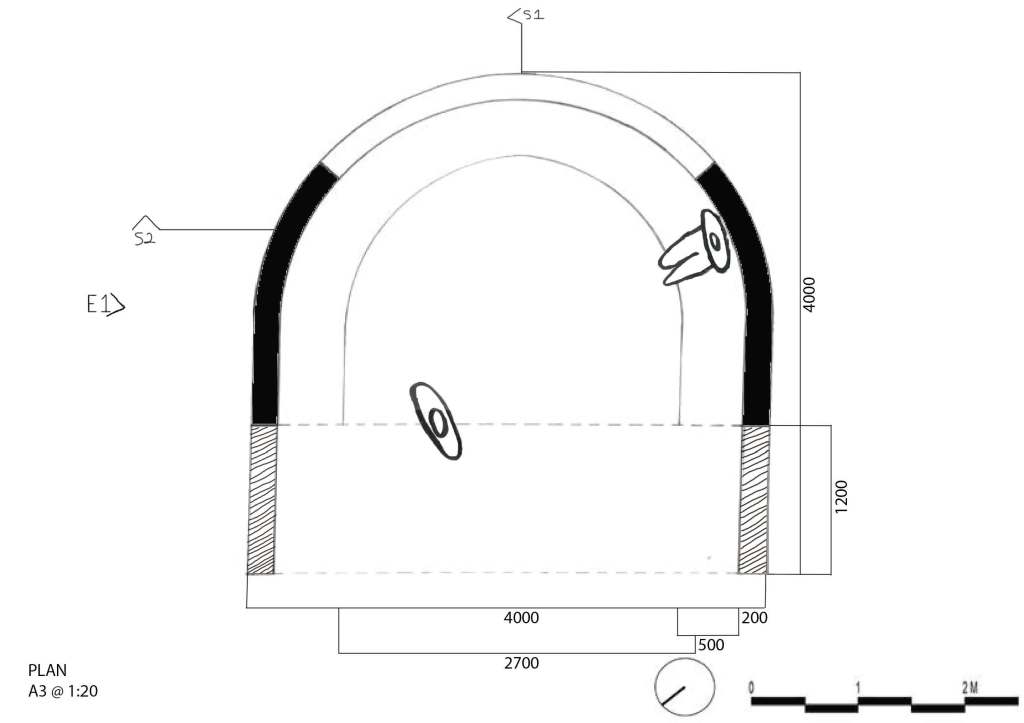
The second assessment was to design a pavilion with our chosen material and to choose a site that was appropriate to our material. Choosing clay, and specifically red clay from the South Coast/ Wollongong region, I “built” my pavilion in the Royal National Park. The pavilion is intended to be a place of quiet solitude and allowing nature to take over your surroundings and the clay bricks to ground you and dampen the noises of the park it sits in.
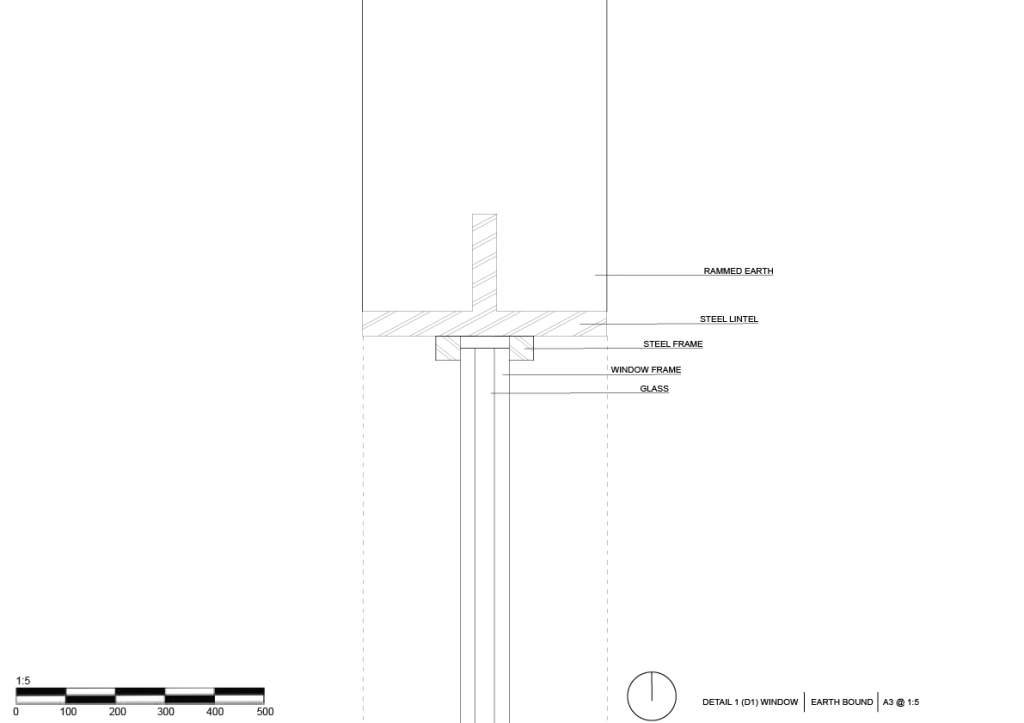
The third and final assessment was to design an art gallery, artists quarters and studio space on Mackenzie point in Sydney so that it could be involved in the Art by the Sea in Bondi. Taking into consideration the site conditions, people traffic, and our previously chosen material we were given free reign to design.
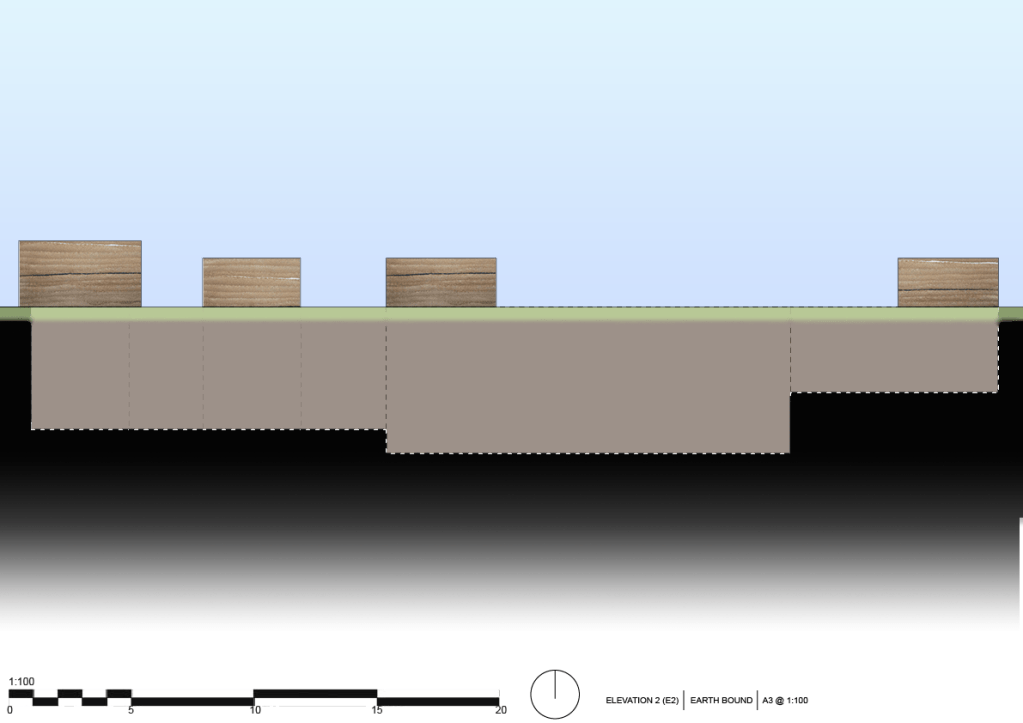
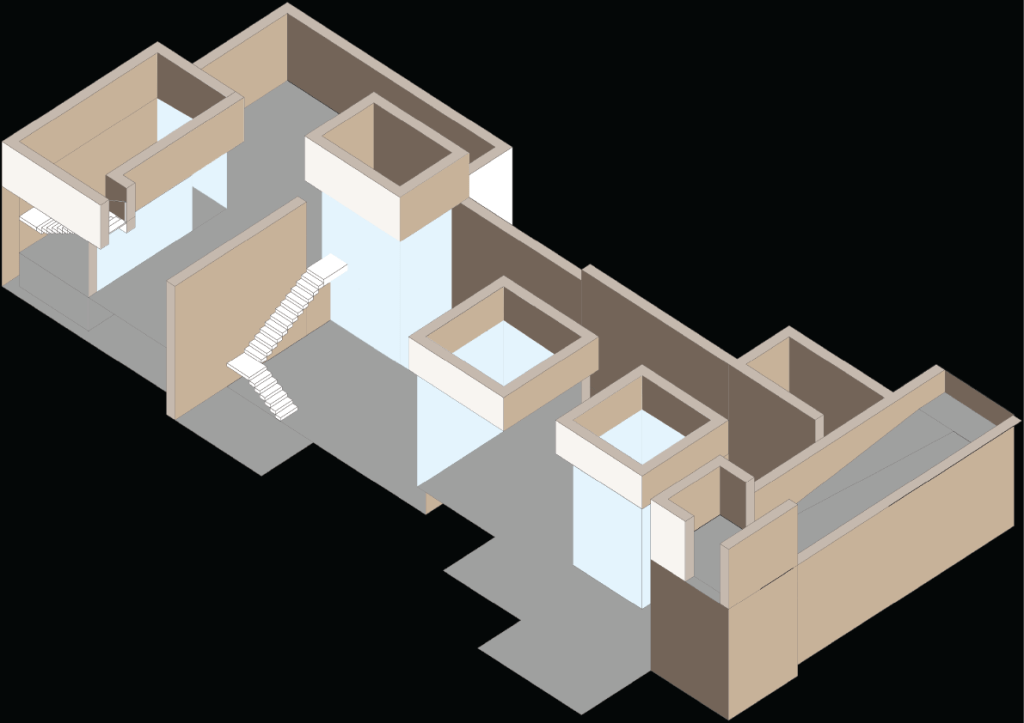
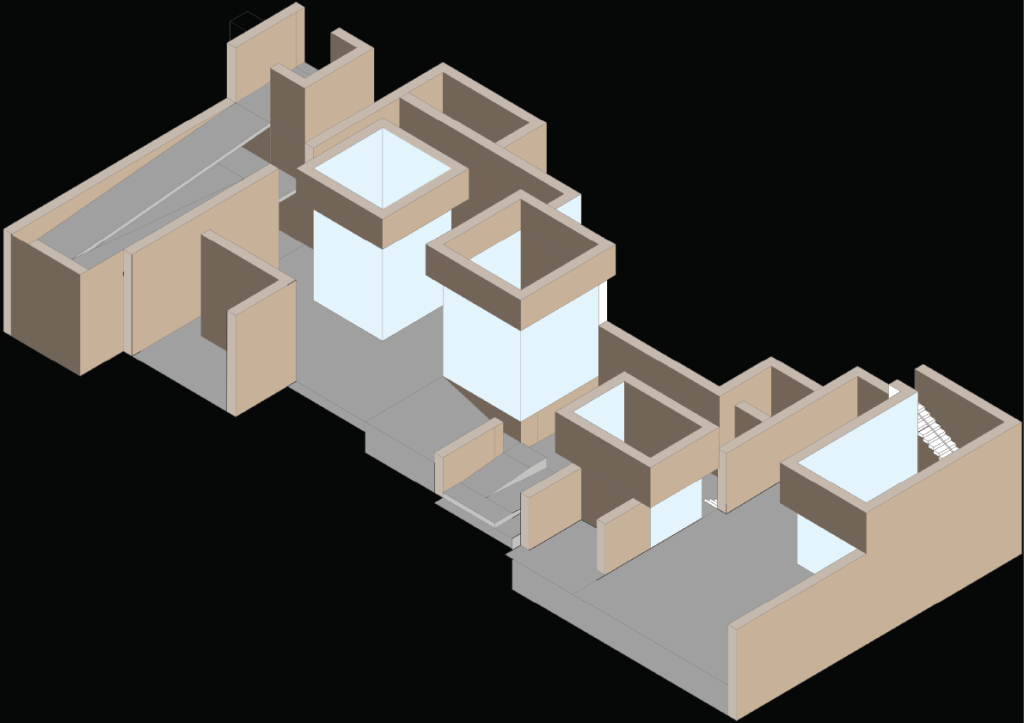
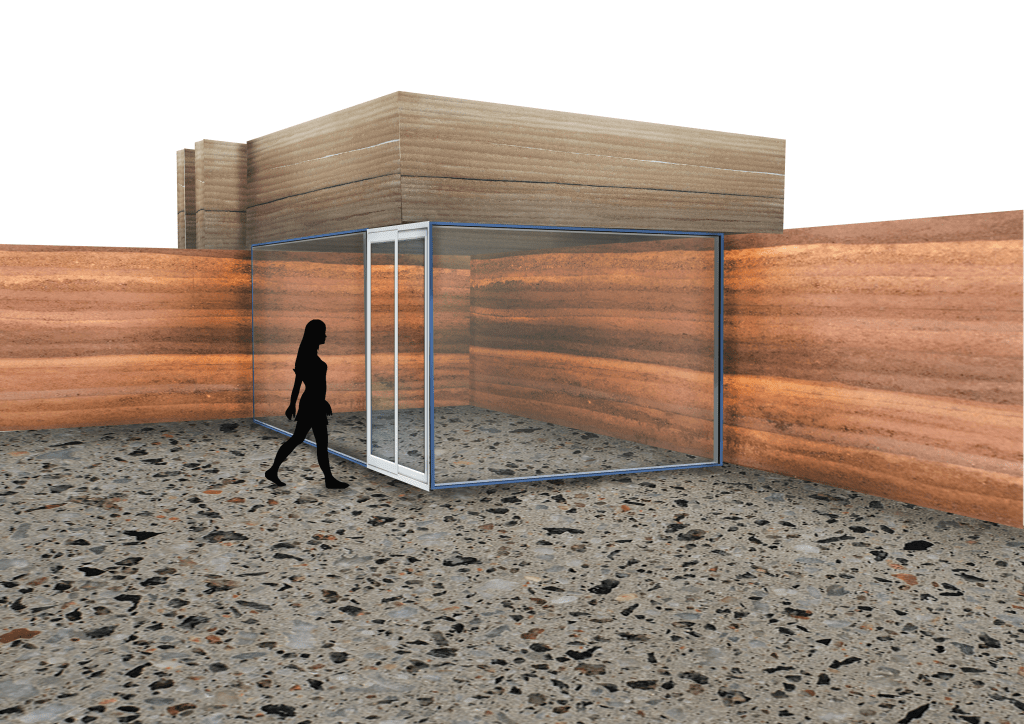
I changed my choice of material from clay to rammed earth after much research and feedback from my tutor. utilising the strength that rammed earth allows, I pushed the design underground and created a quiet gallery space that focused on the environmental control that rammed earth allows.
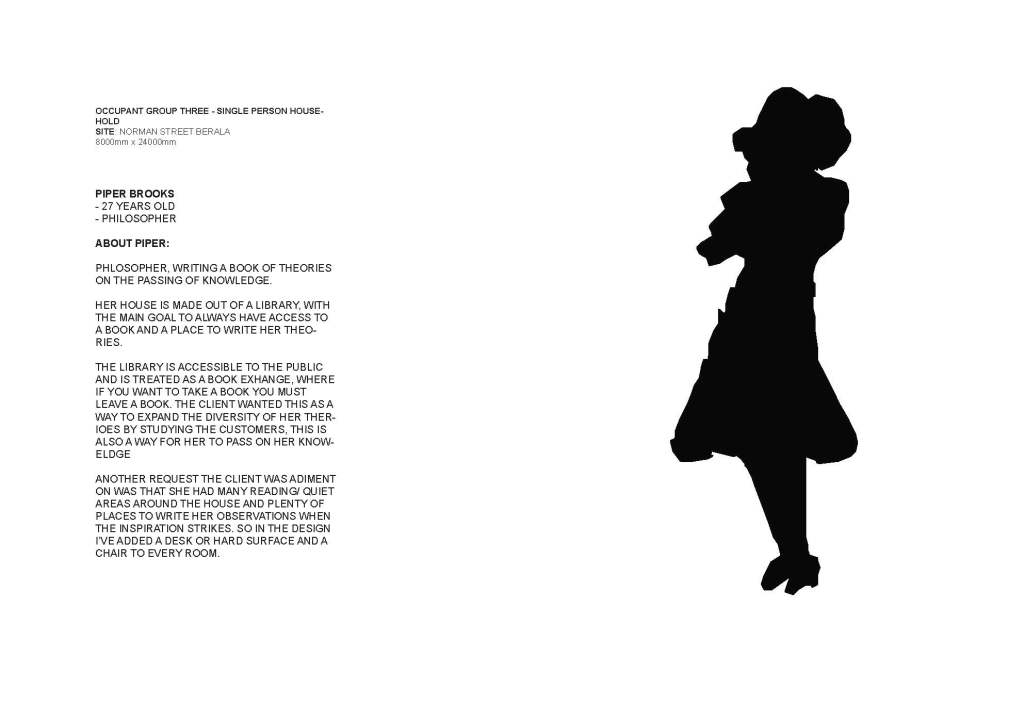
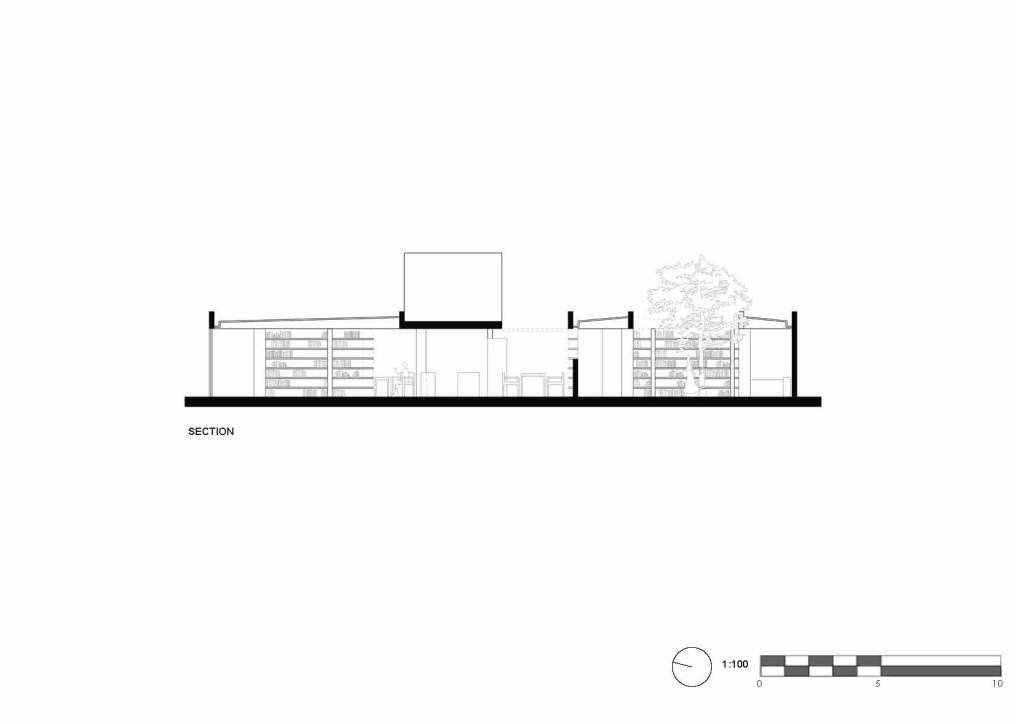
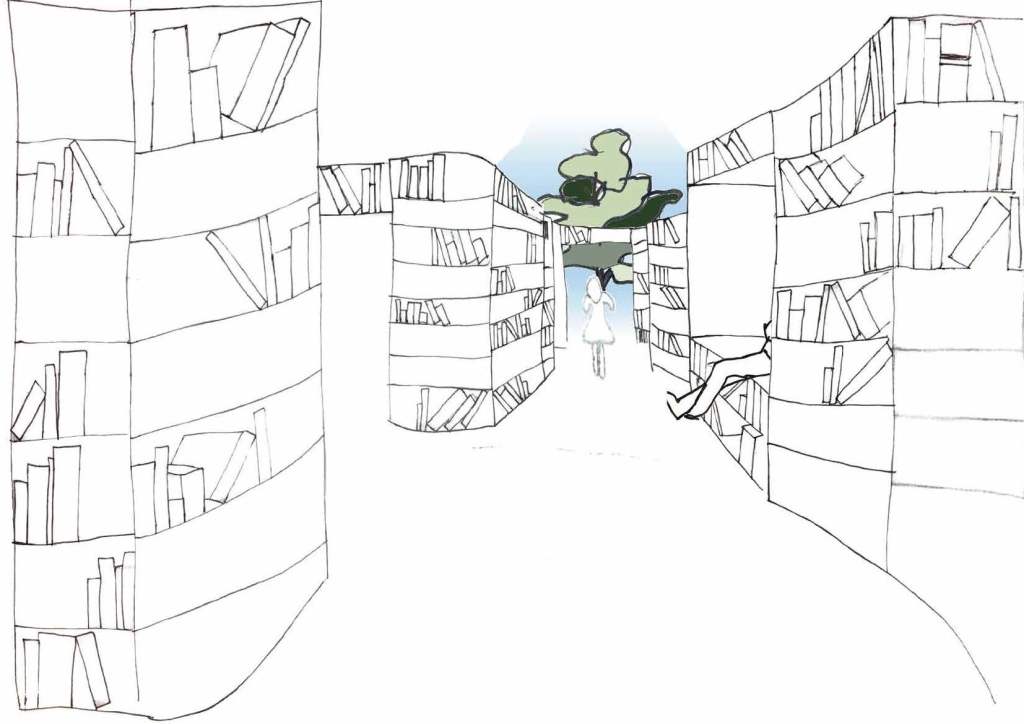
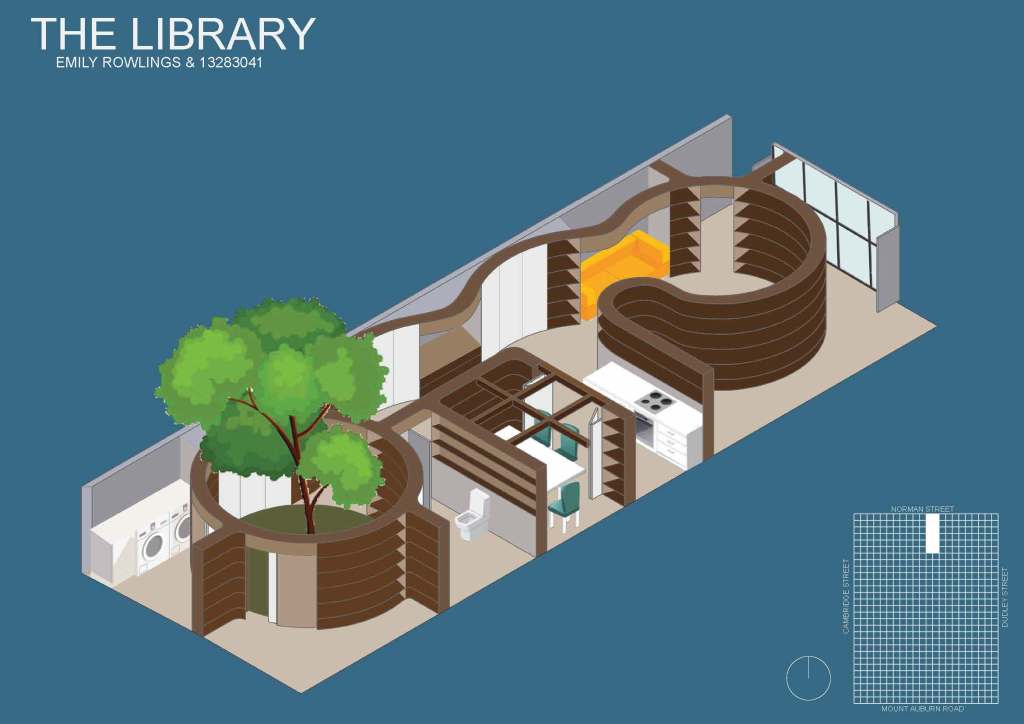
Architectural Studio 2: Urban Forrest, introduced us to the concepts of urban sprawl and the consequences of Sydney’s current low-density housing “strategy”. Urban Forrest allowed us to focus on a typical western Sydney city block. With 16 houses currently utilising the space through the tutorial we were each challenged to design 3 residential houses by using a grid system and taking turns in placing cubes that represented a specific room in a house. The result was a complex an array of colourful blocks that climbed over and under each other, maxmising the space given and maintaining the current green areas which we weren’t allowed to remove.
Once the layout of the block was finalised we were able to choose a specific occupant from our original 3 designs and then develop it further over the semester. I especially enjoyed this subject and the tutor Walter Brindle, as he allowed us to develop our own research and bring different strategies to the table. The lessons he taught whether it be hand sketching techniques or urban planning strategies will stay with me and have helped me develop my own architectural understanding and passion.
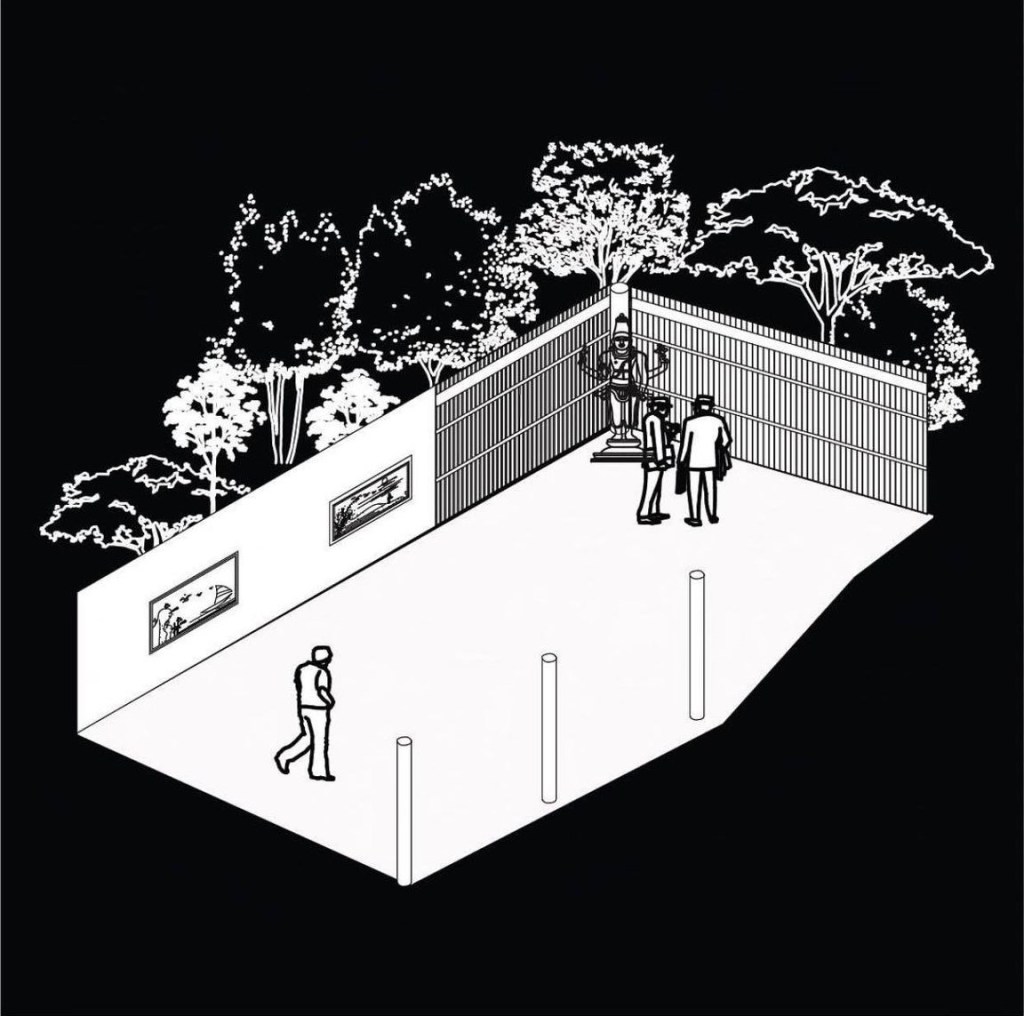
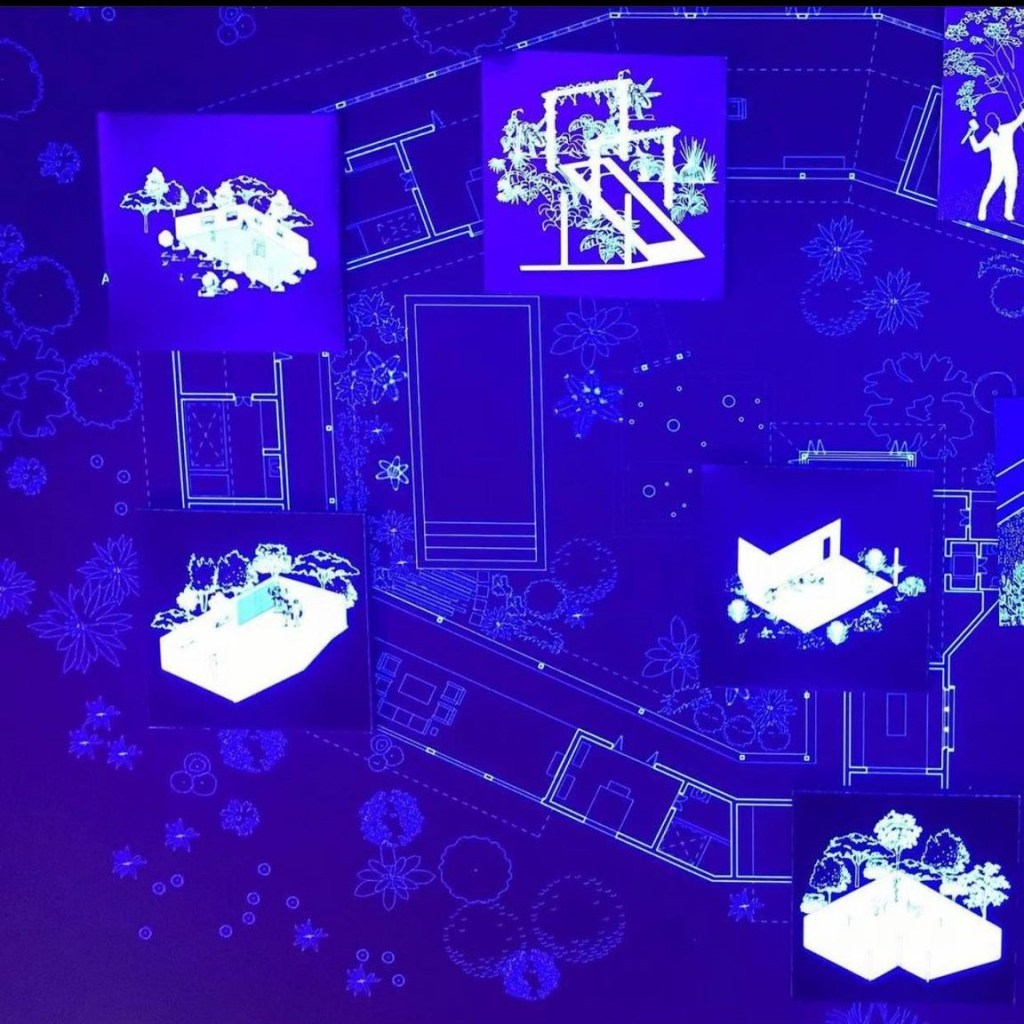
Through interpretation and research, as a group we were required to re-evaluate the meaning and therefore the use of a specific architectural site. We chose Studio Mumbai’s Tara House, through spatial exploration we uncovered meaning through the form and as required we re-arranged the symbolism of the site to reflect something that can be utilised throughout time.































 Emily Grace Rowlings